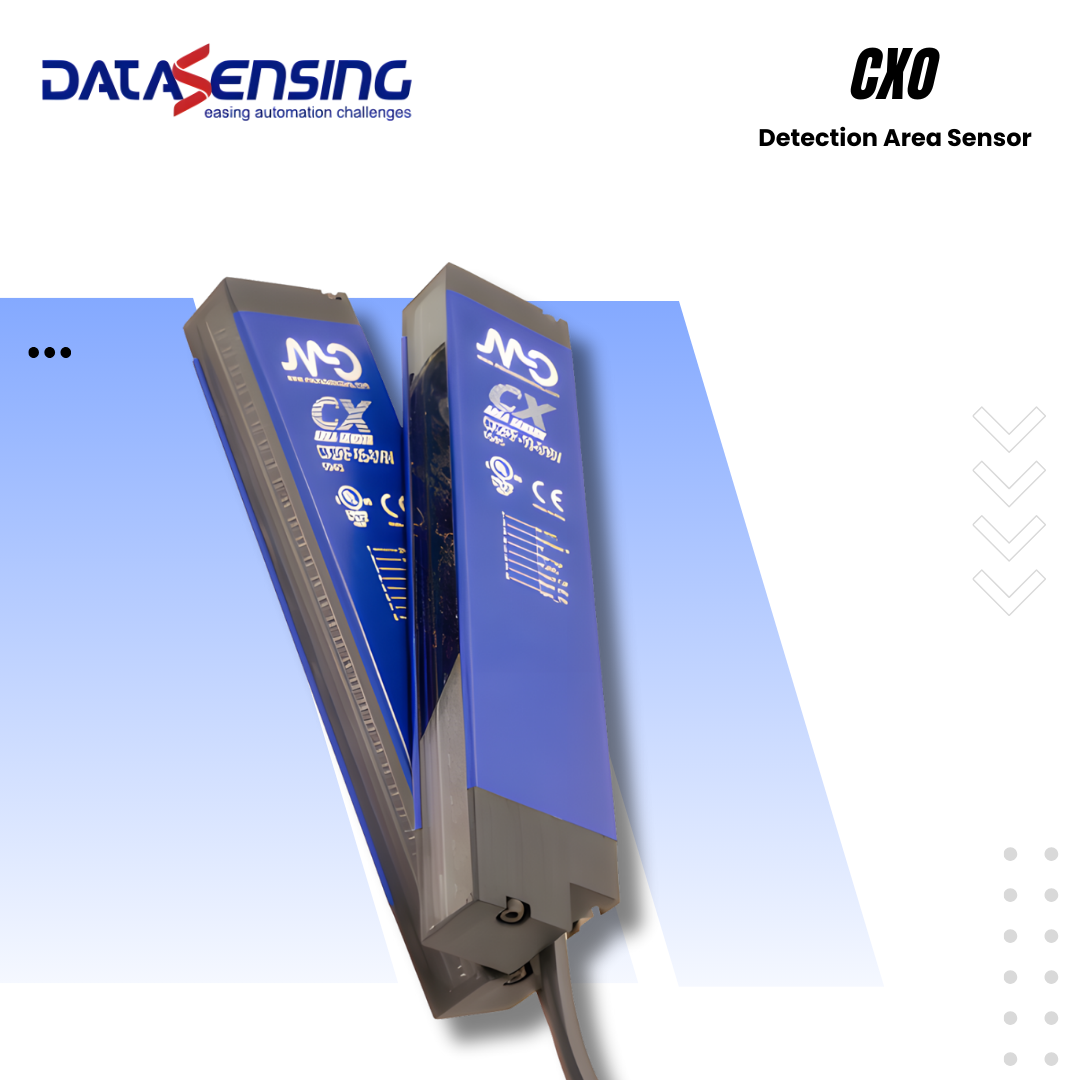
Datasensing CX0 Series
The Datasensing CX0 Series consists of slim area sensors des...

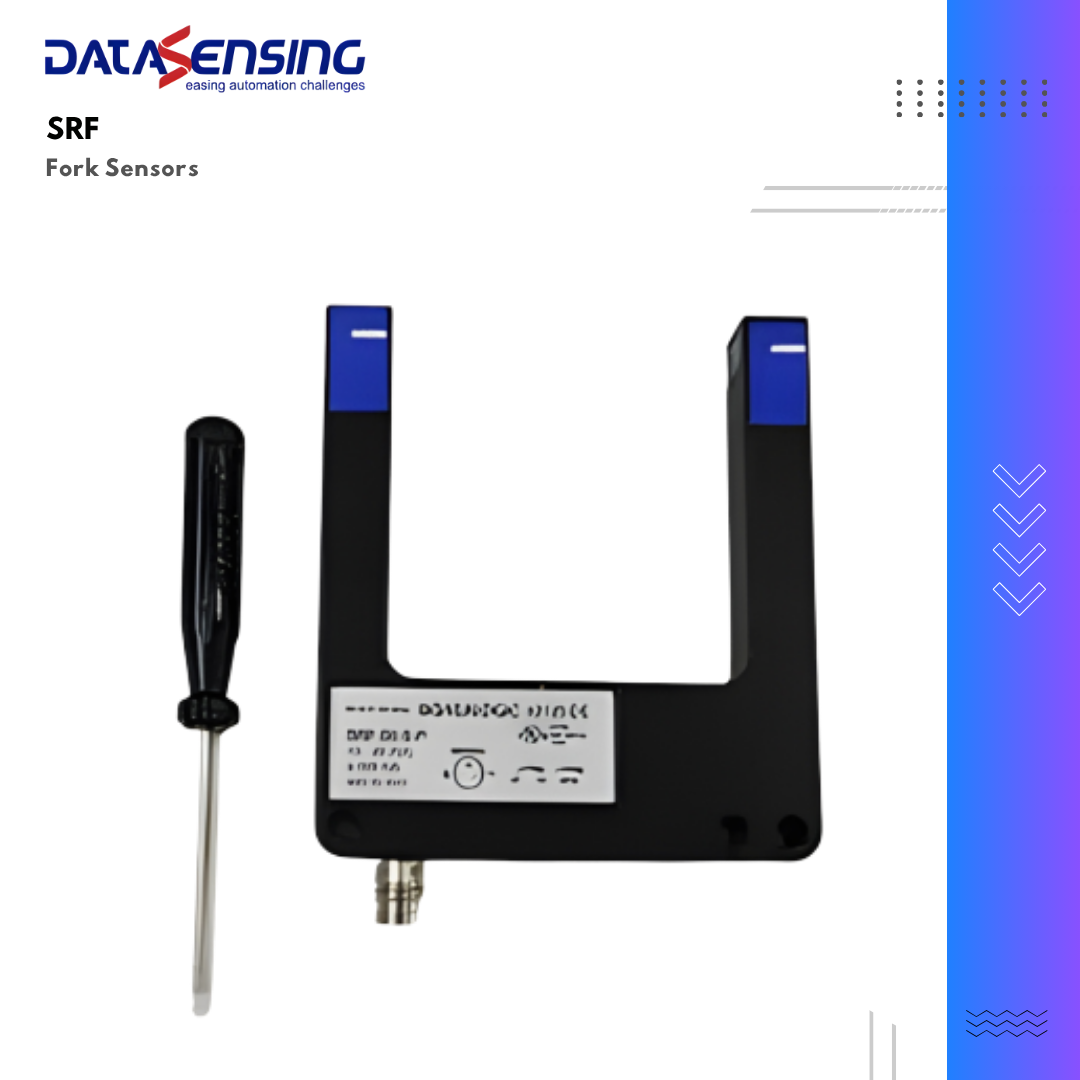
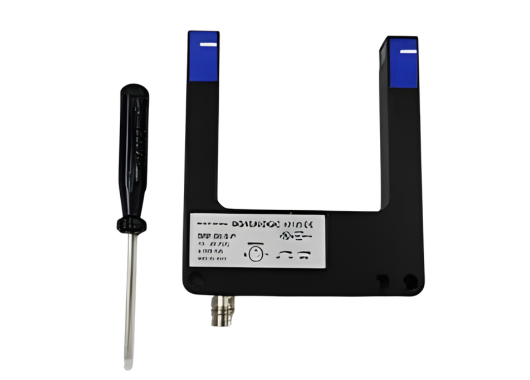
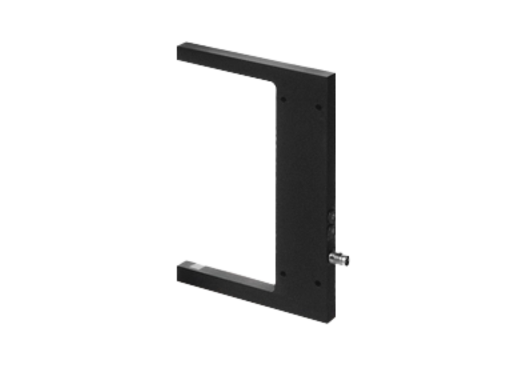
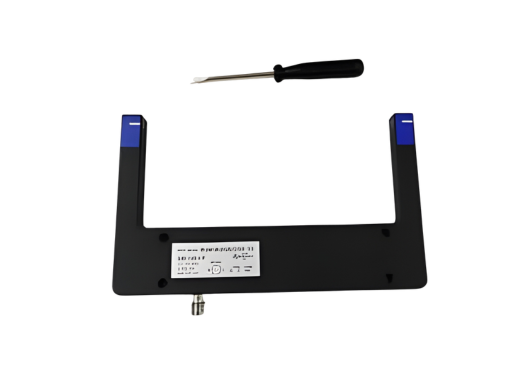
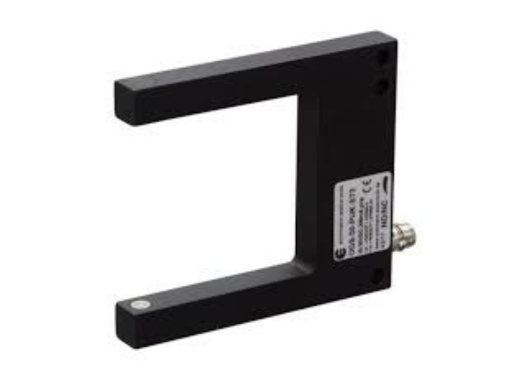
The SRF Series provides a high-precision family of slot (fork) photo-electric sensors, engineered for exceptional detection accuracy, robust mechanical design, and rapid switching capability. With options spanning slot widths of 30 mm to 120 mm, emission types including high-resolution laser and red LED, and minimum detectable object/gap performance down to 0.1 mm in laser variants, this series delivers outstanding precision, high throughput, and industrial durability.
(In this slot sensor context, “Total Crossed Beams” is used metaphorically to emphasise full coverage of the slot aperture rather than literal crossed optical beams.)
(Here interpreted as variant options of slot width/depth, emission type and performance rather than literal beam spacing.)
Parameter | SRF Series Typical Specification – LED Variant | SRF Series Typical Specification – Laser Variant |
|---|---|---|
| Product Line | SRF | SRF |
| Function | Slot (fork) photo-electric sensor – LED emission | Slot (fork) photo-electric sensor – Laser emission |
| Slot Width / Depth (Nominal) | 30 mm / ~34 mm depth; 50 mm / ~54 mm; 80 mm / ~54 mm; 120 mm / ~54 mm | Same slot widths but with Laser emission option |
| Minimum Detectable Object / Gap | Approx. 0.3 mm (LED version) | As low as 0.1 mm (Laser version) |
| Switching Frequency / Response Time | Up to ~1.5 kHz; response time ~0.33 ms | Up to ~5.0 kHz; response time ~0.10 ms |
| Operating Voltage | 10 … 30 V DC | 10 … 30 V DC |
| No-Load Supply Current | ≤ 35 mA typical | ≤ 20 mA typical |
| Load Current Max | ≤ 200 mA typical | ≤ 200 mA |
| Output Type | NPN or PNP selectable; Light-On / Dark-On selectable | PNP (in many laser models) or selectable |
| Protection Rating (IP) | IP67 | IP67 |
| Housing Material / Dimensions | Metal housing (Gd-Zn), glass lens; e.g., 10 × 70 × 79 mm for 50 mm slot | Metal housing; e.g., 10 × 100 × 79 mm for 80 mm slot |
You may also like similar items from this category
The Datasensing CX0 Series consists of slim area sensors des...
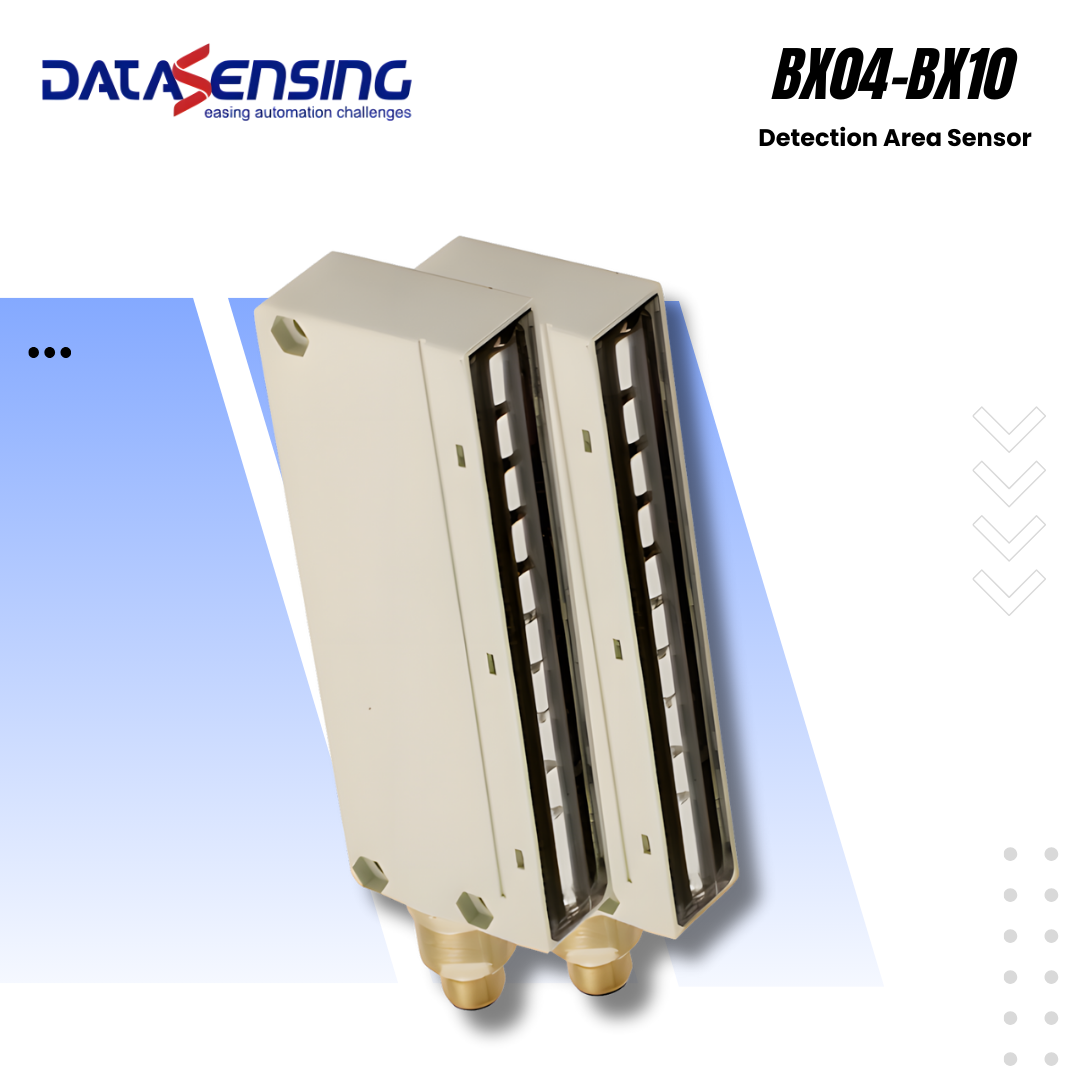
The Datasensing BX04-BX10 Series comprises compact crossed-b...
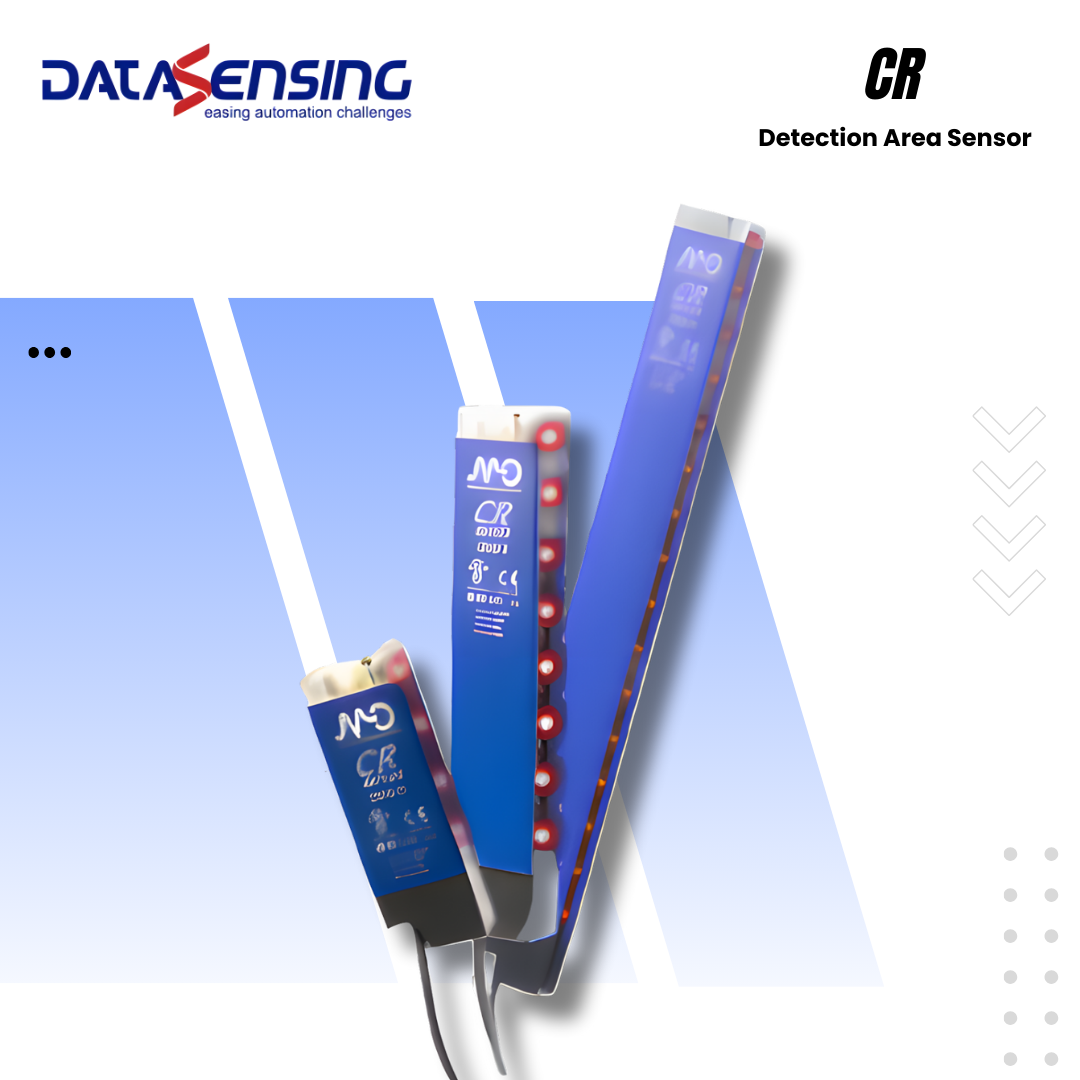
The Datasensing CR Series are polarized retro-reflective are...
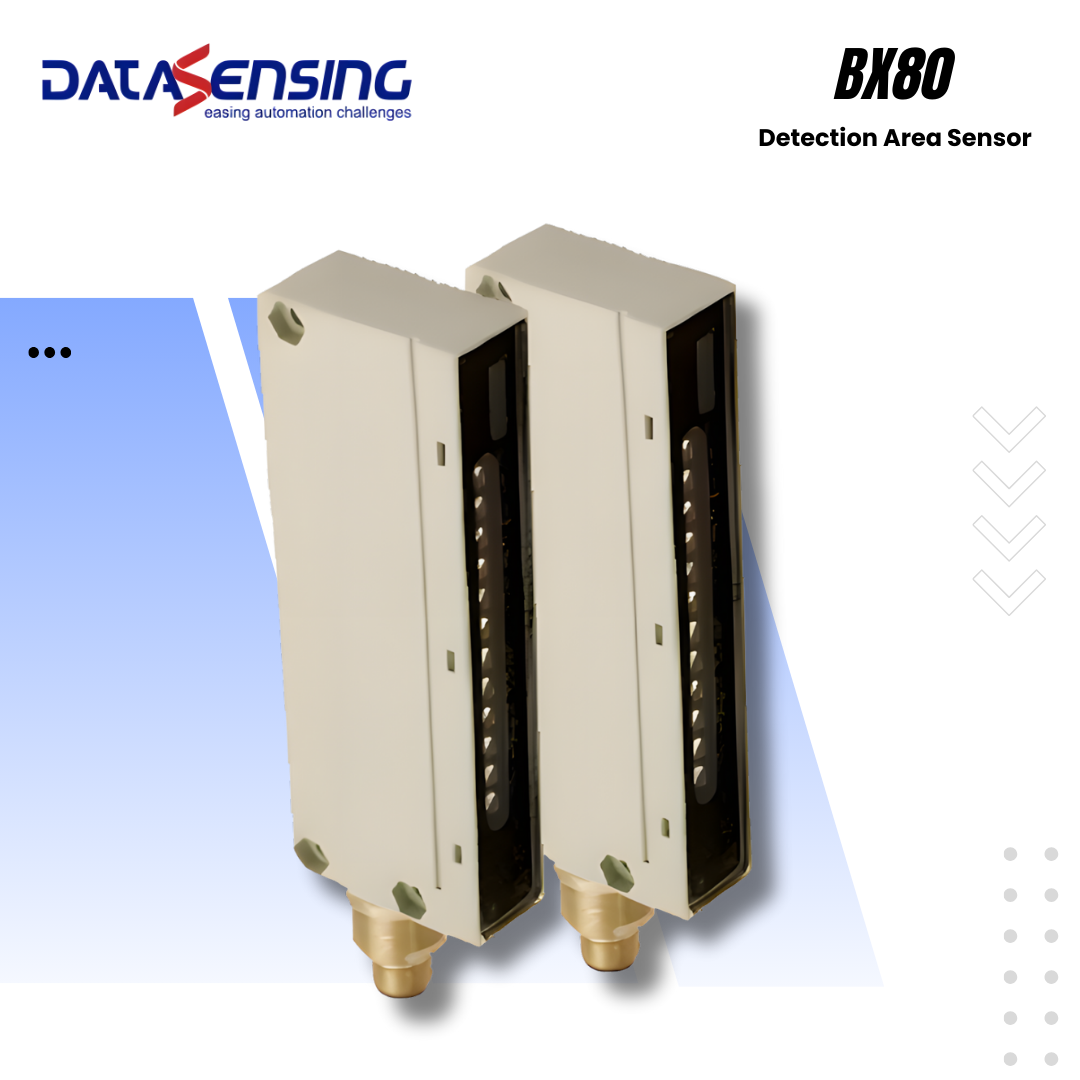
The BX80 Series are high-resolution crossed-beam area sensor...
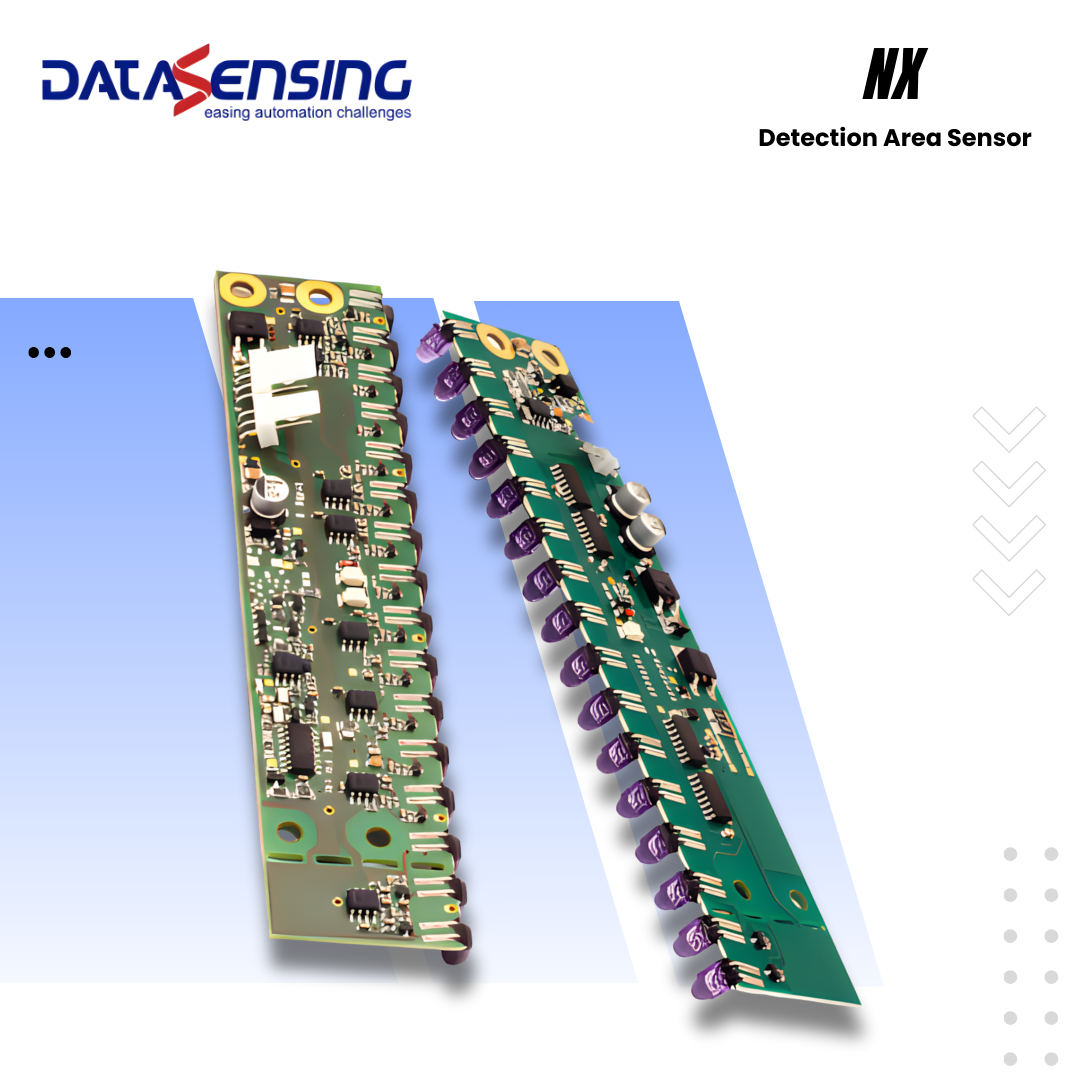
The NX Series are compact, medium-resolution crossed-beam ar...
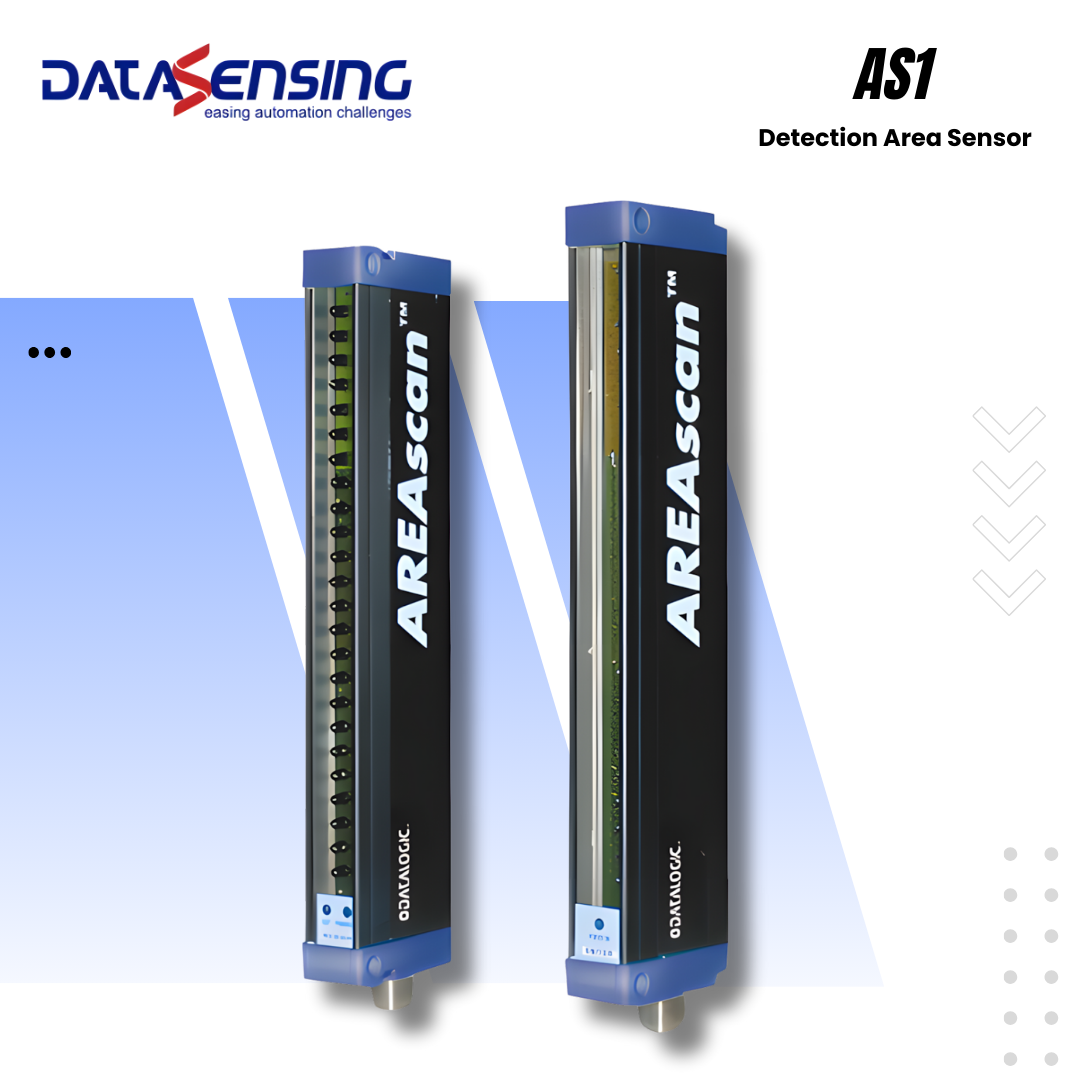
The AS1 Series are compact crossed-beam area sensors with a...
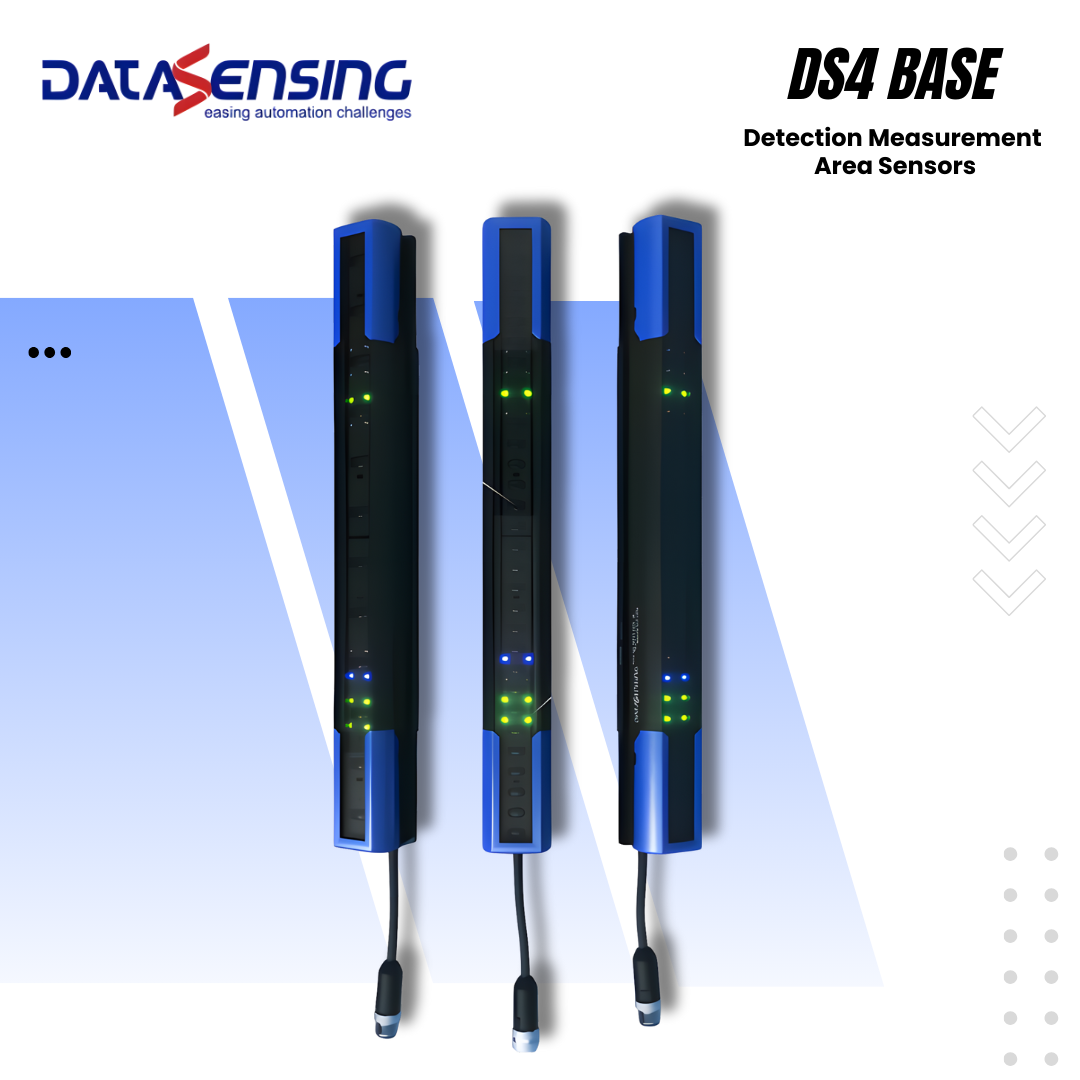
The DS4 Base Series are basic yet high-performance detection...
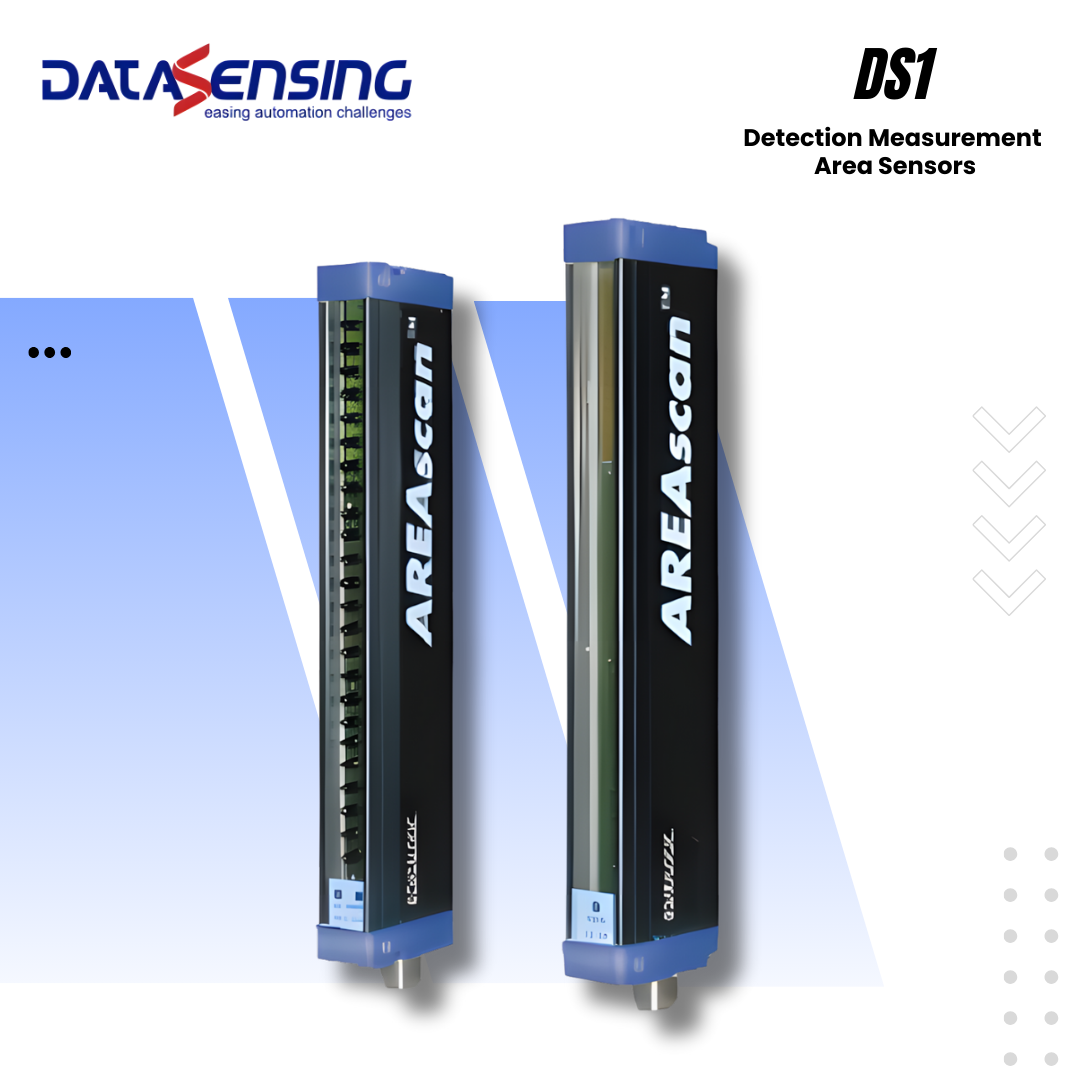
The DS1 Series are slim multi-beam detection and measurement...