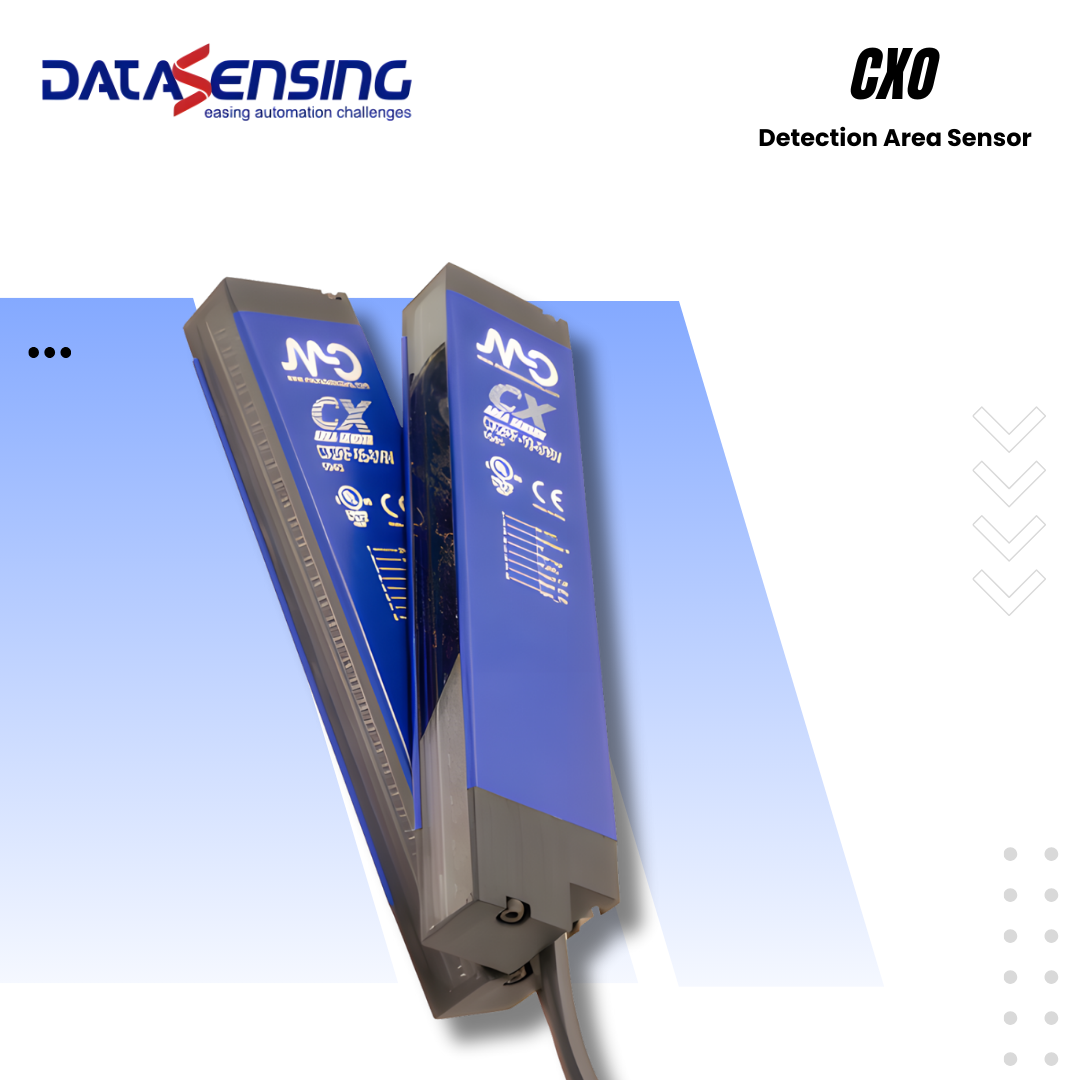
Datasensing CX0 Series
The Datasensing CX0 Series consists of slim area sensors des...

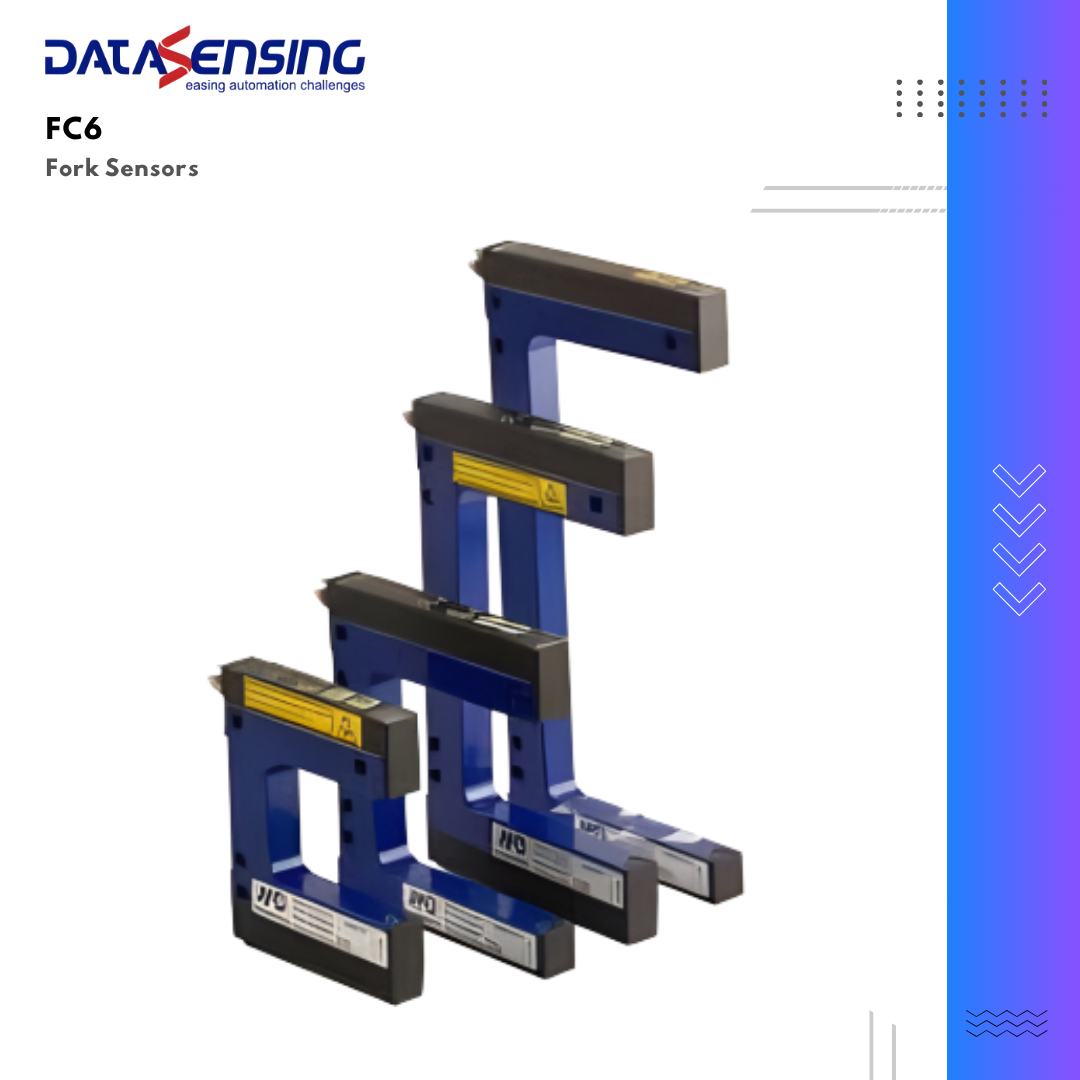
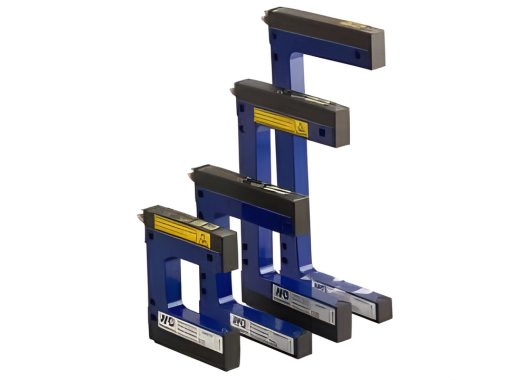
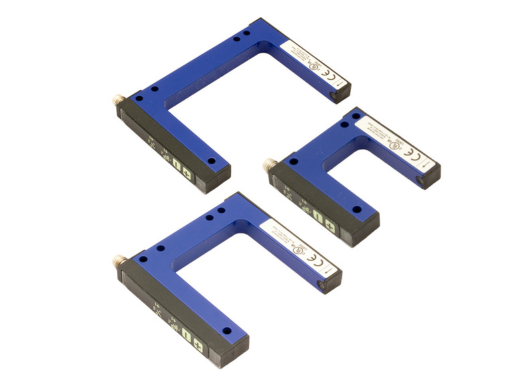
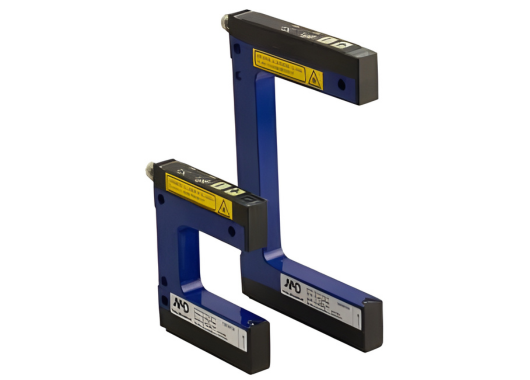
The FC6 Series delivers a high-performance family of fork-type photo-electric sensors, engineered for straight-through object detection, ultra-fine resolution, and industrial robustness. With slot widths ranging from as little as 5 mm up to 80 mm (or more depending on model), minimum detectable objects as small as 0.05 mm (in FC6L variant) and switching frequencies of up to 10 kHz, this series delivers exceptional speed, exceptional precision, and flexible integration into automation lines.
(In this context, the phrase is adapted to indicate that the sensor provides full coverage of the slot aperture rather than literal crossed optical beams.)
(Here interpreted as variant options of slot width / depth / sensing distance rather than literal beam spacing.)
Parameter | FC6 Series Typical – Smaller Slot Variant (e.g., 15 mm width / 42 mm depth) | FC6 Series Typical – Larger Slot Variant (e.g., 50-80 mm width / 59-95 mm depth) |
|---|---|---|
| Product Line | FC6 | FC6 |
| Function | Fork-type photo-electric sensor – small slot width version | Fork-type photo-electric sensor – larger slot width version |
| Slot Width / Depth (Nominal) | approx. 15 mm width / 42 mm depth | approx. 50-80 mm width / 59-95 mm depth |
| Minimum Detectable Object | approx. 0.2 mm (FC6I variant) | approx. 0.05 mm (FC6L variant) |
| Switching Frequency / Response Time | Up to ~10 kHz; response time ~50 µs | Up to ~10 kHz; response time ~50 µs |
| Operating Voltage | 12 … 24 V DC | 12 … 24 V DC |
| No-Load Supply Current | ≤ 40 mA | ≤ 40 mA |
| Load Current Max | ≤ 100 mA | ≤ 100 mA |
| Output Type | Selectable NPN or PNP; Light-On / Dark-On shared mode | Selectable NPN or PNP; Light-On / Dark-On |
| Protection Rating (IP) | IP65 | IP65 |
| Housing Material | Painted aluminium | Painted aluminium |
| Operating Temperature Range | –20 °C … +60 °C | –20 °C … +60 °C |
You may also like similar items from this category
The Datasensing CX0 Series consists of slim area sensors des...
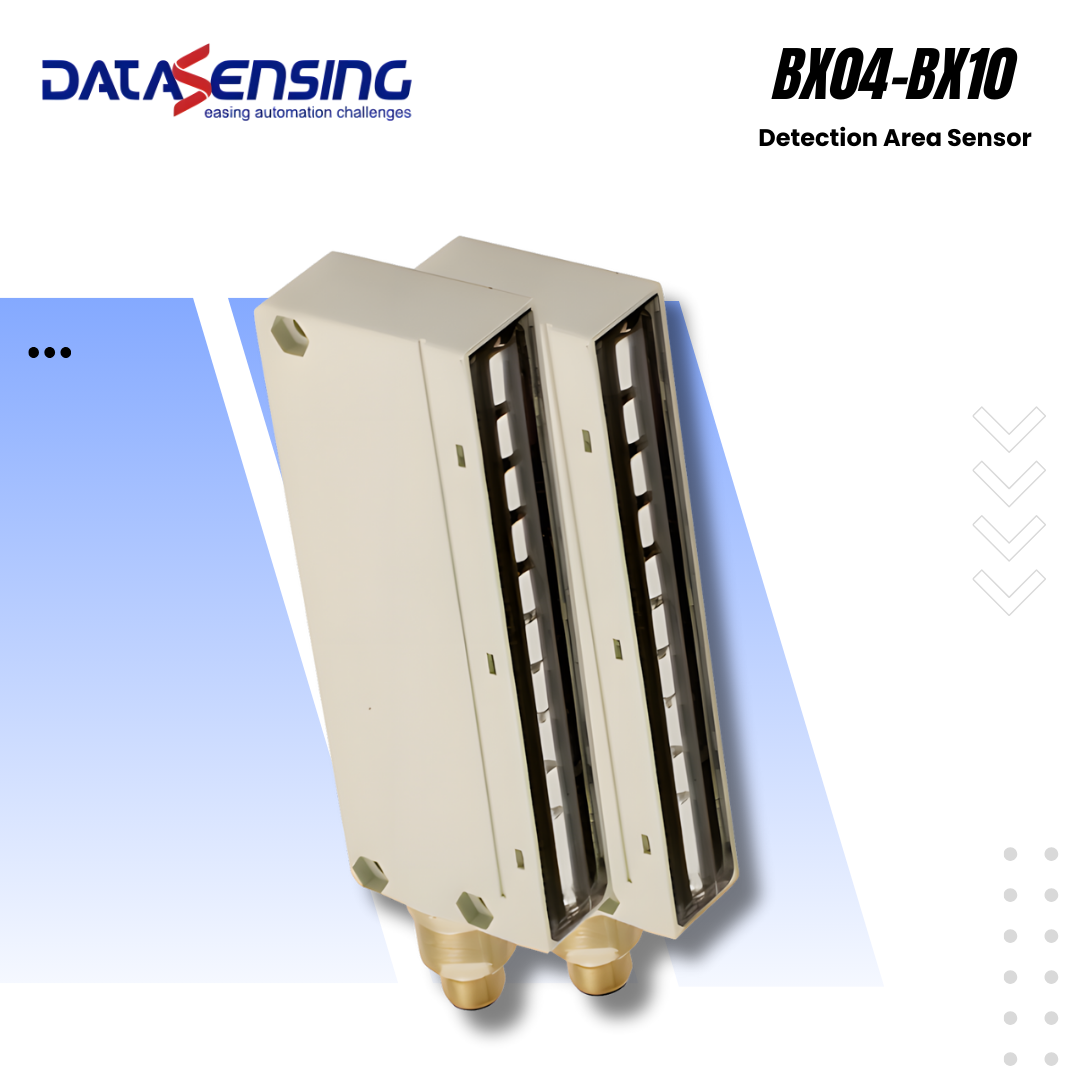
The Datasensing BX04-BX10 Series comprises compact crossed-b...
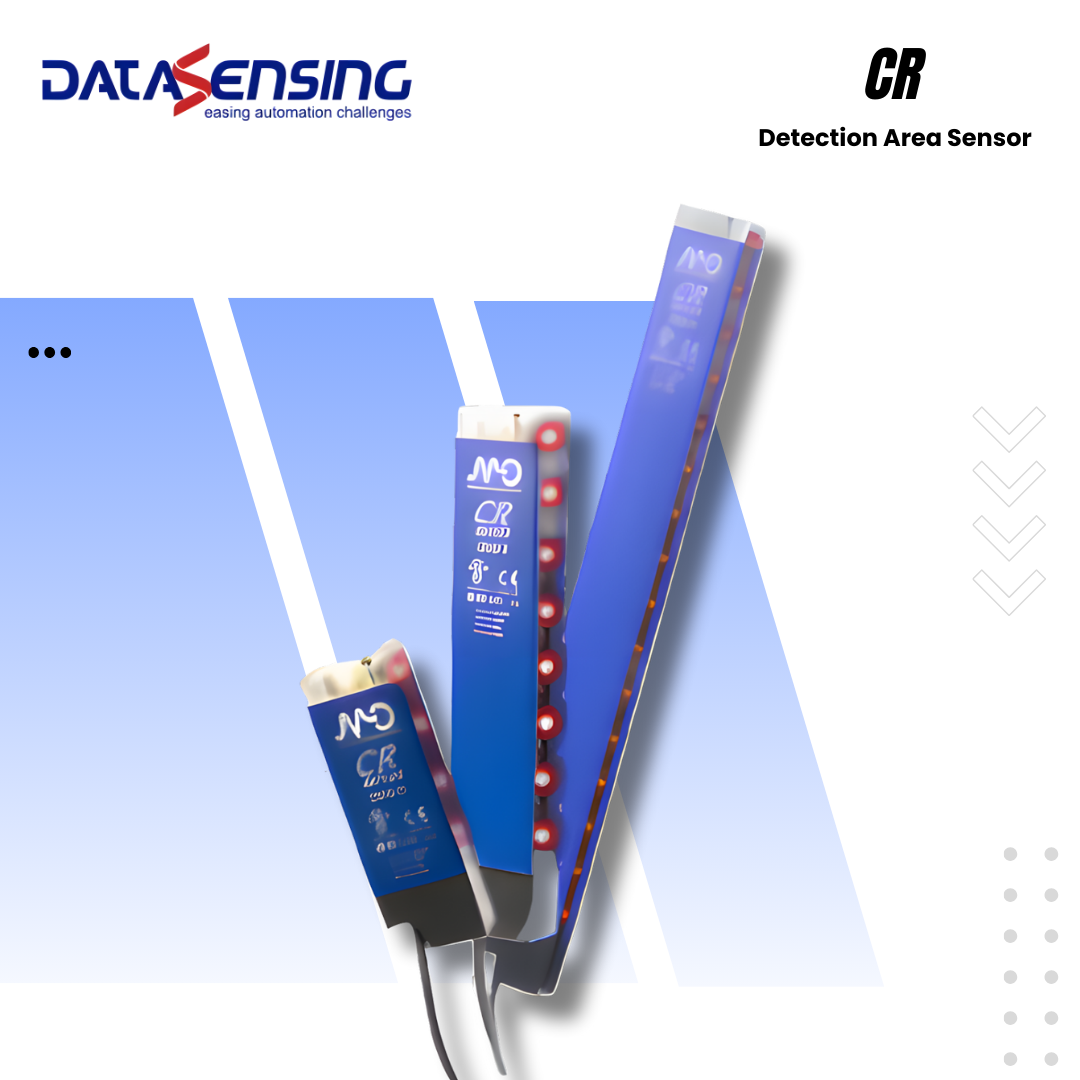
The Datasensing CR Series are polarized retro-reflective are...
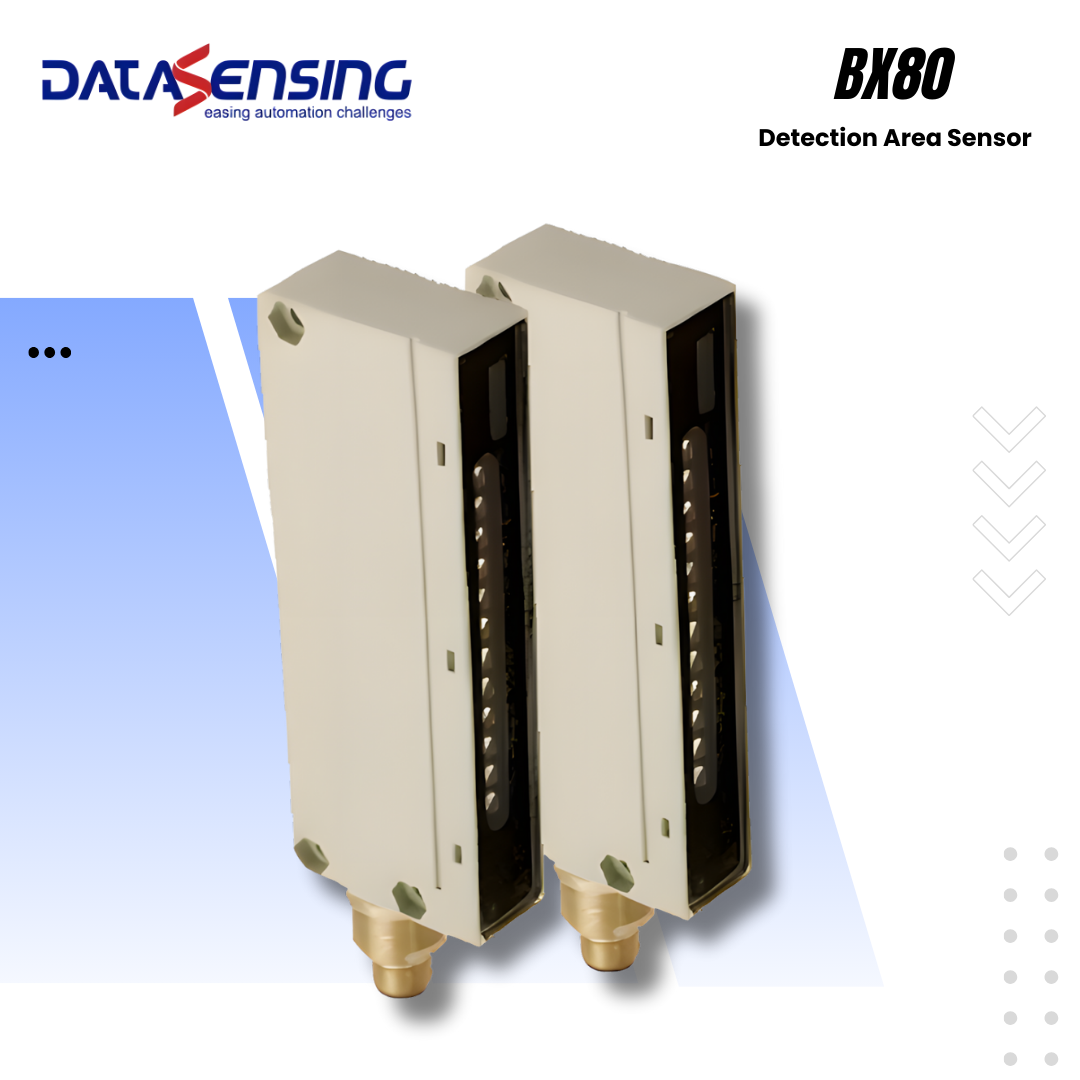
The BX80 Series are high-resolution crossed-beam area sensor...
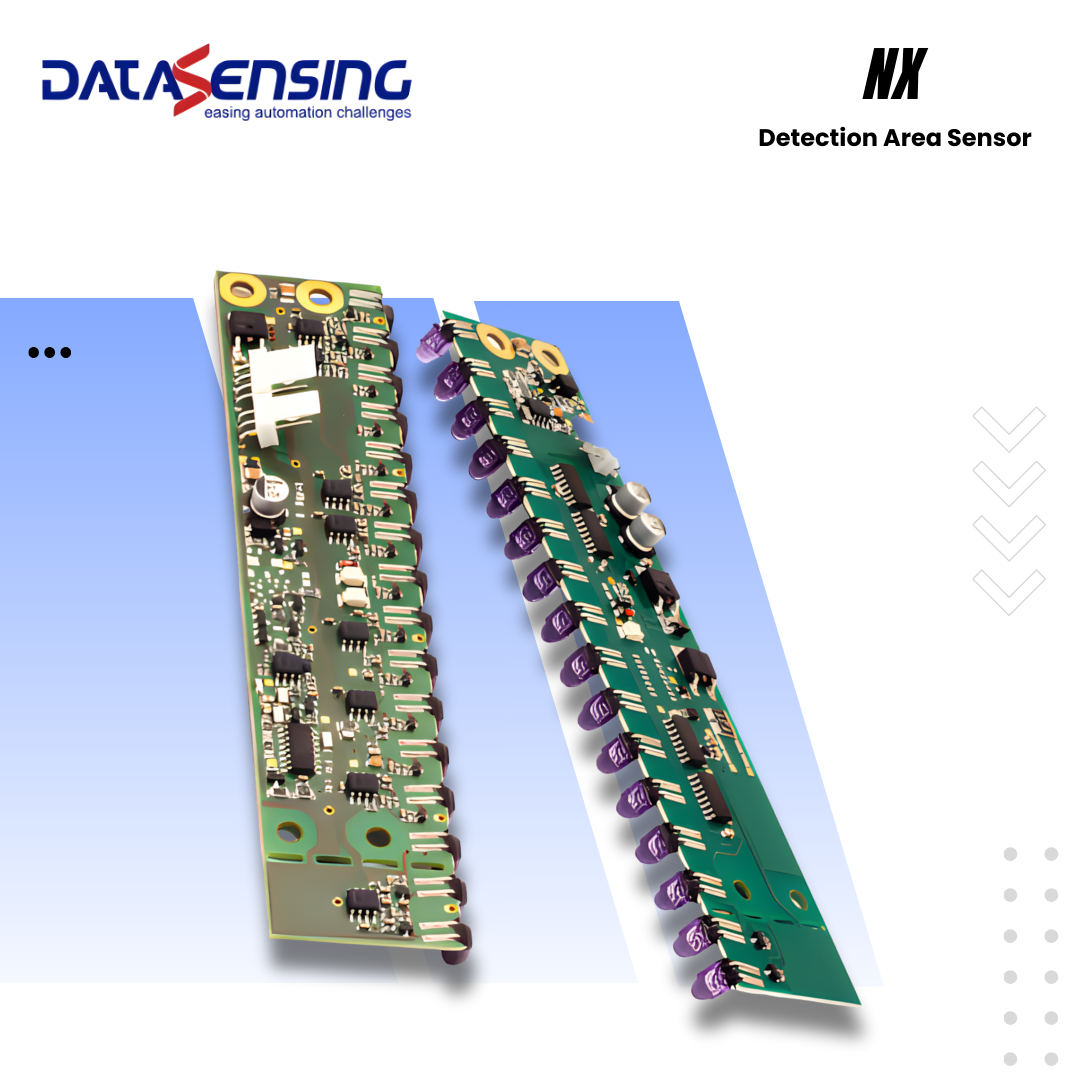
The NX Series are compact, medium-resolution crossed-beam ar...
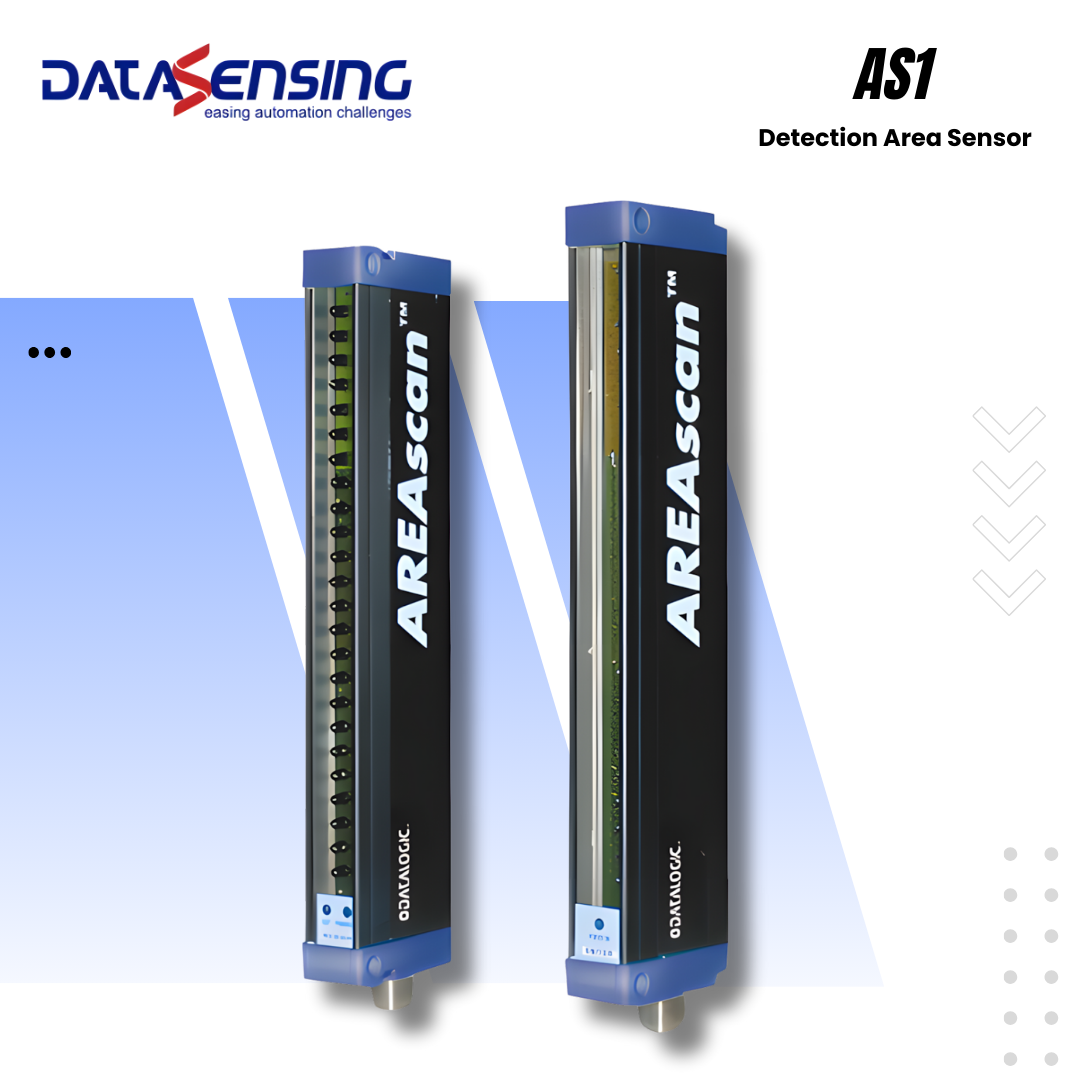
The AS1 Series are compact crossed-beam area sensors with a...
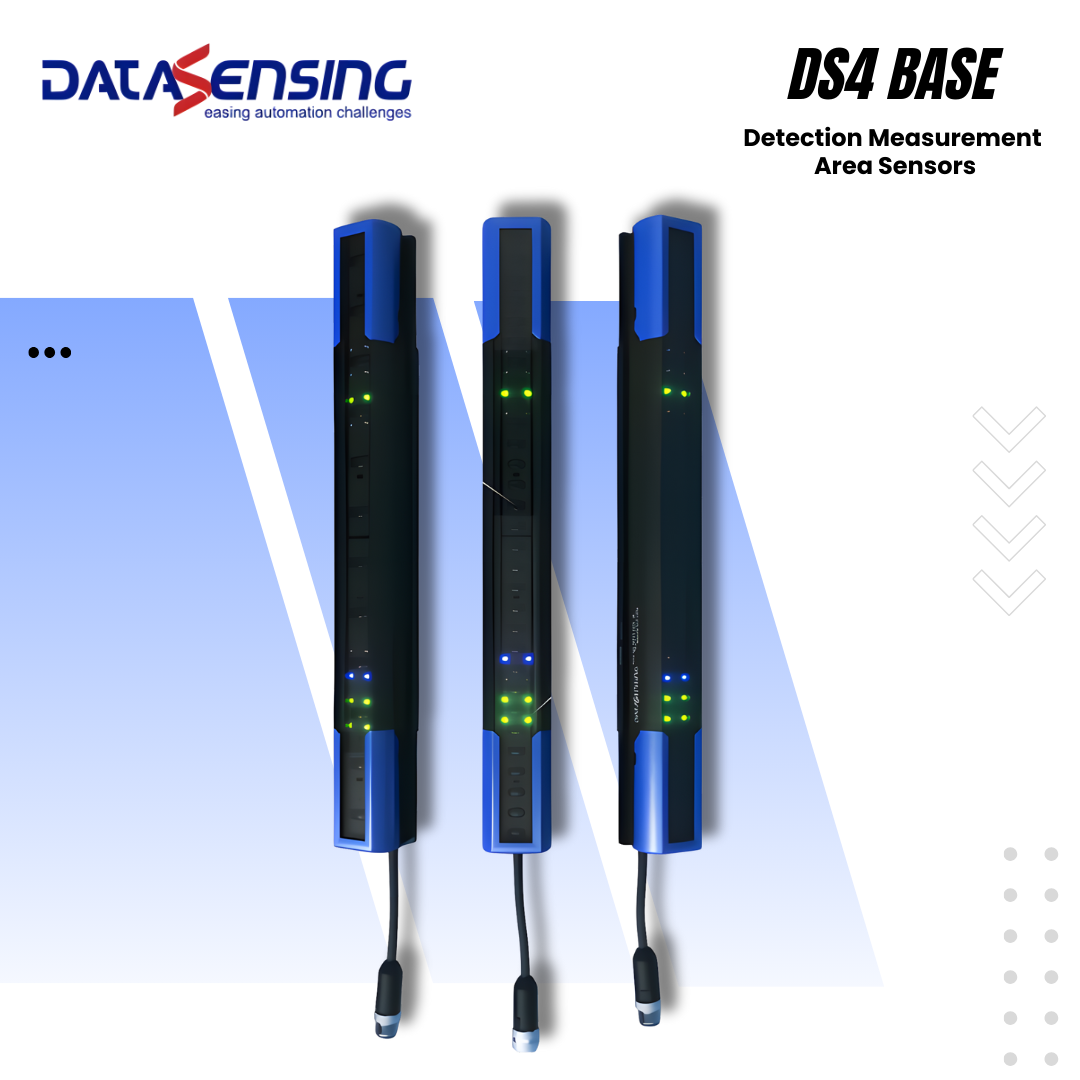
The DS4 Base Series are basic yet high-performance detection...
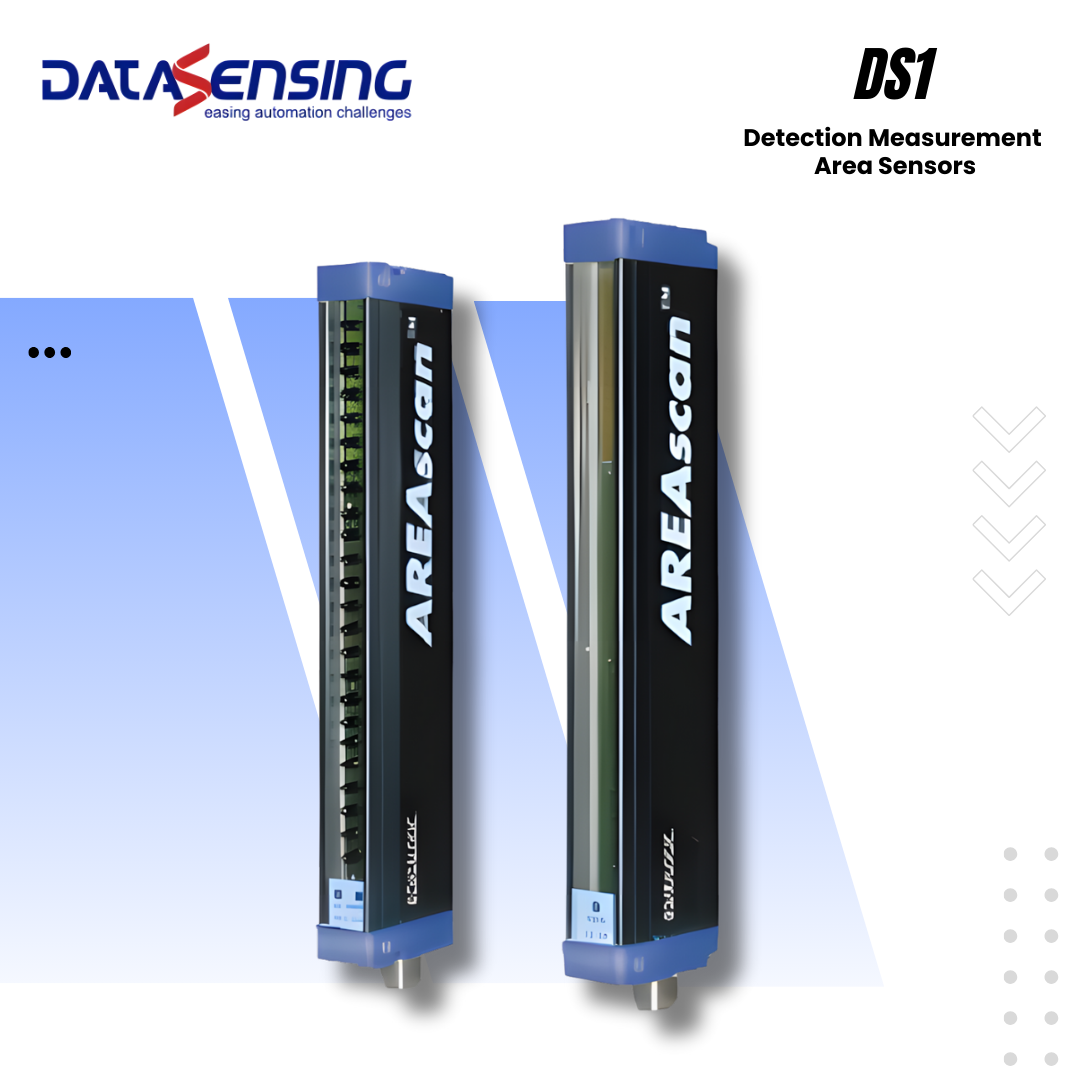
The DS1 Series are slim multi-beam detection and measurement...