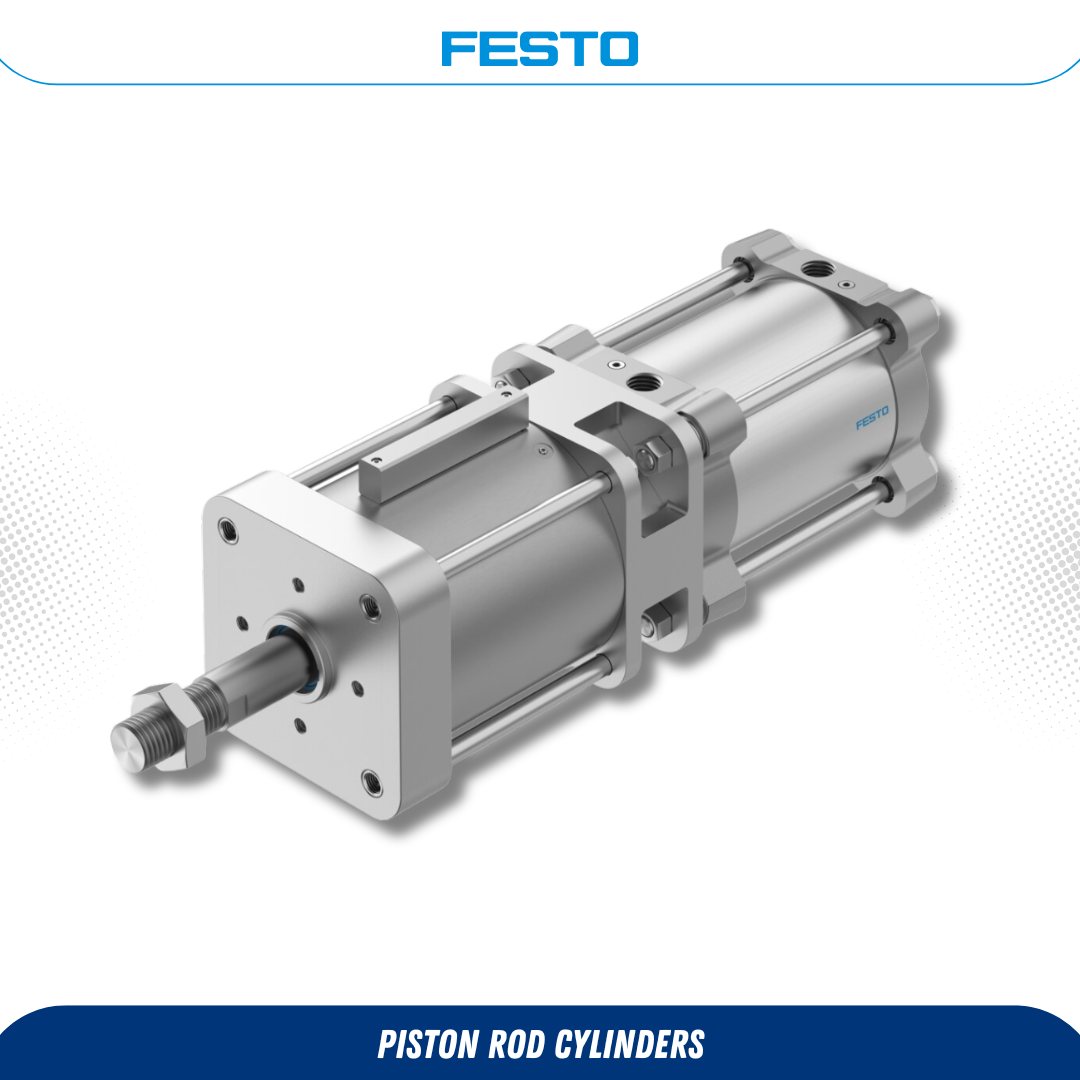
Piston Rod Cylinders
Festo piston rod cylinders are robust, high-precision pneuma...

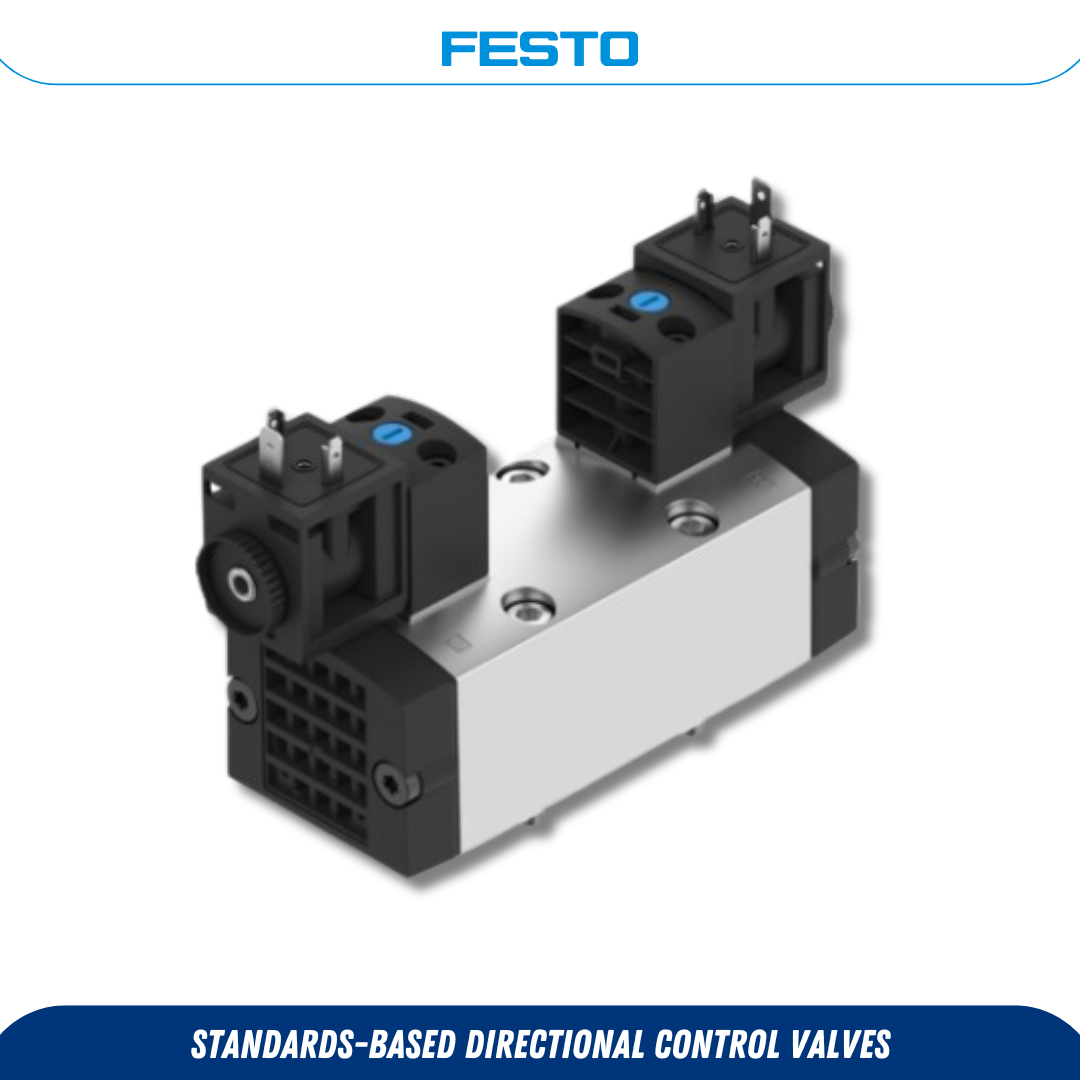
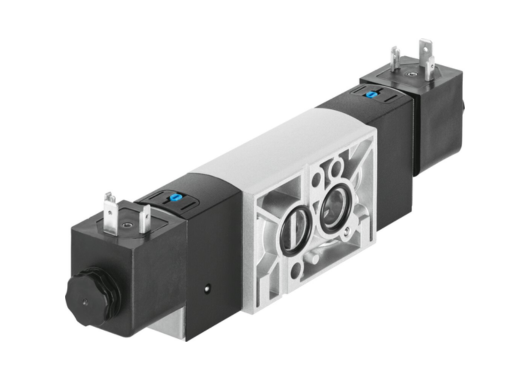
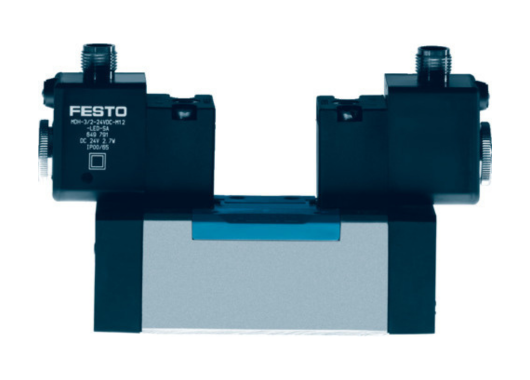
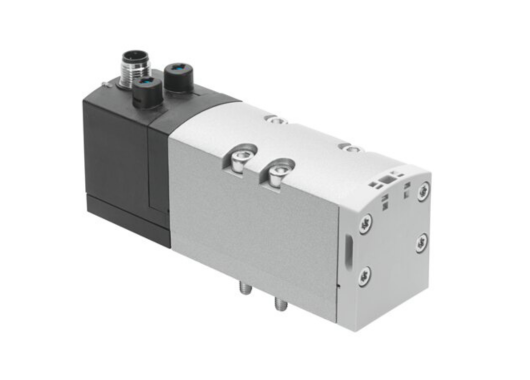
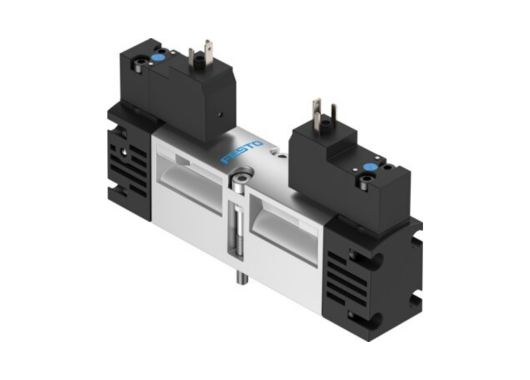
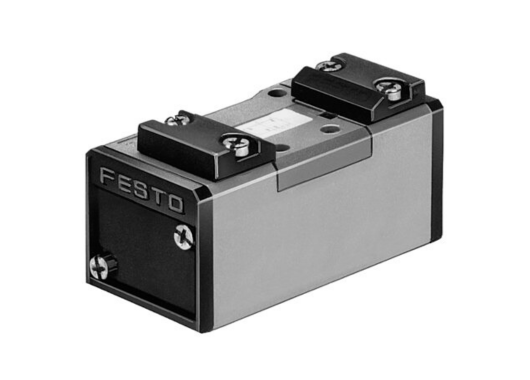
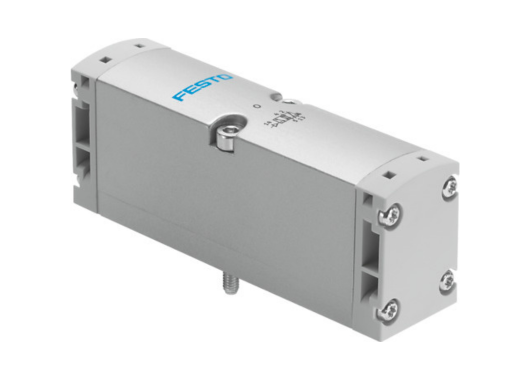
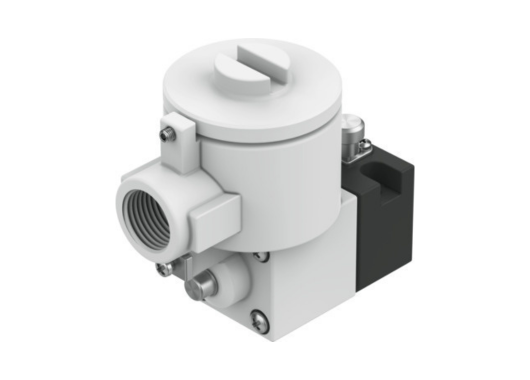
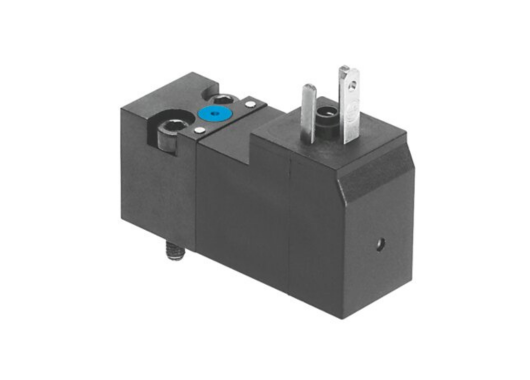
Festo’s standards-based directional control valves are engineered to provide precise, repeatable, and efficient control of airflow within pneumatic systems. Built according to globally recognized ISO standards, these valves ensure compatibility, easy installation, and interchangeability across industrial machinery platforms.
These valves are available in multiple configurations (such as 3/2-way, 5/2-way, and 5/3-way), offering flexibility for controlling actuators, cylinders, and complex pneumatic circuits in automated environments.
⭐ Important: Standards-based valves offer maximum reliability, fast switching, consistent flow rates, and global ISO compatibility — making them the preferred choice for industrial pneumatic control.
Standards-based directional control valves regulate the direction and flow of compressed air by opening, closing, or changing paths between ports. Depending on the selected variant, the valves may operate via electric solenoid actuation or pneumatic pilot actuation, providing adaptability for both basic and advanced automation systems.
Festo offers numerous valve types, including:
• ISO 5599-1 compliant directional valves
• Solenoid-actuated valves for electrical control
• Pneumatically piloted valves for high-flow applications
• 5/2 and 5/3 valves for double-acting cylinders
• 3/2 valves for single-acting cylinders and auxiliary functions
These valves are designed for high switching reliability, low internal leakage, and long service intervals, making them suitable for continuous operation in industrial environments.
⭐ Important: ISO-standardized mounting and port layouts guarantee seamless integration and replacement across equipment worldwide.
(Applied to the functional coverage of valve families)
Full pneumatic control coverage through multiple valve series engineered to meet ISO performance requirements.
Ensures complete operational capability regardless of circuit complexity, porting orientation, or control system design.
Designed to maintain stable airflow and dependable switching performance under varying load and pressure conditions.
(Translated as: flow variants, actuation types, construction options)
Wide range of flow capacities, port sizes, and actuation types (electric or pneumatic) to match application demands.
Selectable switching functions include:
• 5/2 single solenoid
• 5/2 double solenoid
• 5/3 closed-center
• 5/3 exhaust-center
• 3/2 normally open / normally closed
Additional configuration choices include:
• Different coil voltages (12V, 24V, 110V, 230V)
• Manual override options
• High-flow versions with larger nominal widths
• Special variants for low-temperature or harsh environments
This ensures the valve can be perfectly optimized for response speed, flow performance, energy efficiency, or system architecture as needed.
⭐ Important: The wide selection of switching functions and flow capacities ensures ideal valve performance for any pneumatic control requirement.
Internal spool and sealing assemblies ensure synchronized and accurate switching with minimal hysteresis.
Optional sub-bases, manifolds, or pilot options improve alignment and stability when integrating multiple valves into terminal systems.
Ensures consistent directional control, supporting reliable motion and repeatable machine performance.
• Fast and accurate switching for precise motion control
• High flow efficiency for powering demanding pneumatic loads
• Durable construction for long service life in harsh industrial conditions
• ISO-standardized design for easy replacement and global compatibility
• Low maintenance requirements due to robust internal sealing and spool design
Applications: Packaging automation, handling technology, conveyor systems, robotic cells, compressed air distribution, and general industrial machinery.
Parameter | Standards-Based Directional Control Valve (ISO 5599-1 / General Use) | Electrically / Pneumatically Actuated Variants |
|---|---|---|
| Product Type | Standards-based pneumatic directional control valve | Solenoid-actuated or pneumatically piloted directional valve |
| Switching Functions | 3/2, 5/2, 5/3 variants | 5/2 (single or double solenoid), 5/3 (center-closed/exhaust) |
| Operating Mode | Manual, electric, or pneumatic actuation | Electric solenoid or pneumatic pilot |
| Typical Port Sizes | ISO-standard porting (varies by size) | G1/8, G1/4, G3/8, G1/2 depending on model |
| Flow Rate Capacity | Medium to high (based on nominal width) | High-flow versions available |
| Operating Pressure Range | Typically up to 8–10 bar (model-dependent) | Same; varies with actuation type |
| Coil Voltage Options | — | 12V DC, 24V DC, 110V AC, 230V AC |
| Cushioning/Response | Fast switching spool technology | High-speed electrical response |
| Housing Material | Aluminium or robust composite | Same |
| Sealing Material | NBR or model-specific seals | Same |
| Mounting Variants | ISO-standard sub-base, manifold, or single station | Same |
| Typical Applications | General pneumatic direction control | Handling systems, packaging, robotics, machine automation |
You may also like similar items from this category
Festo piston rod cylinders are robust, high-precision pneuma...
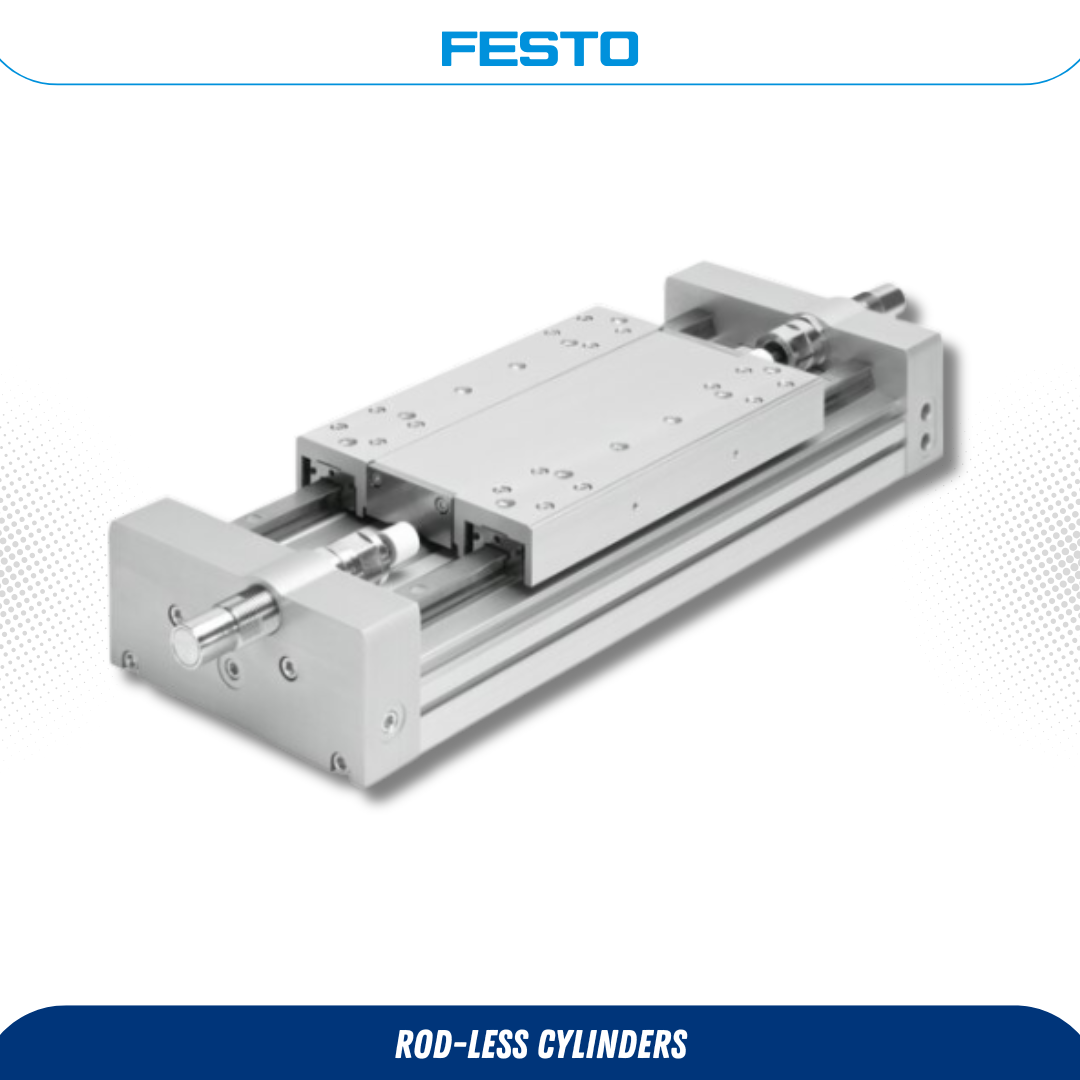
Festo Rodless Cylinders are compact, long-stroke pneumatic a...
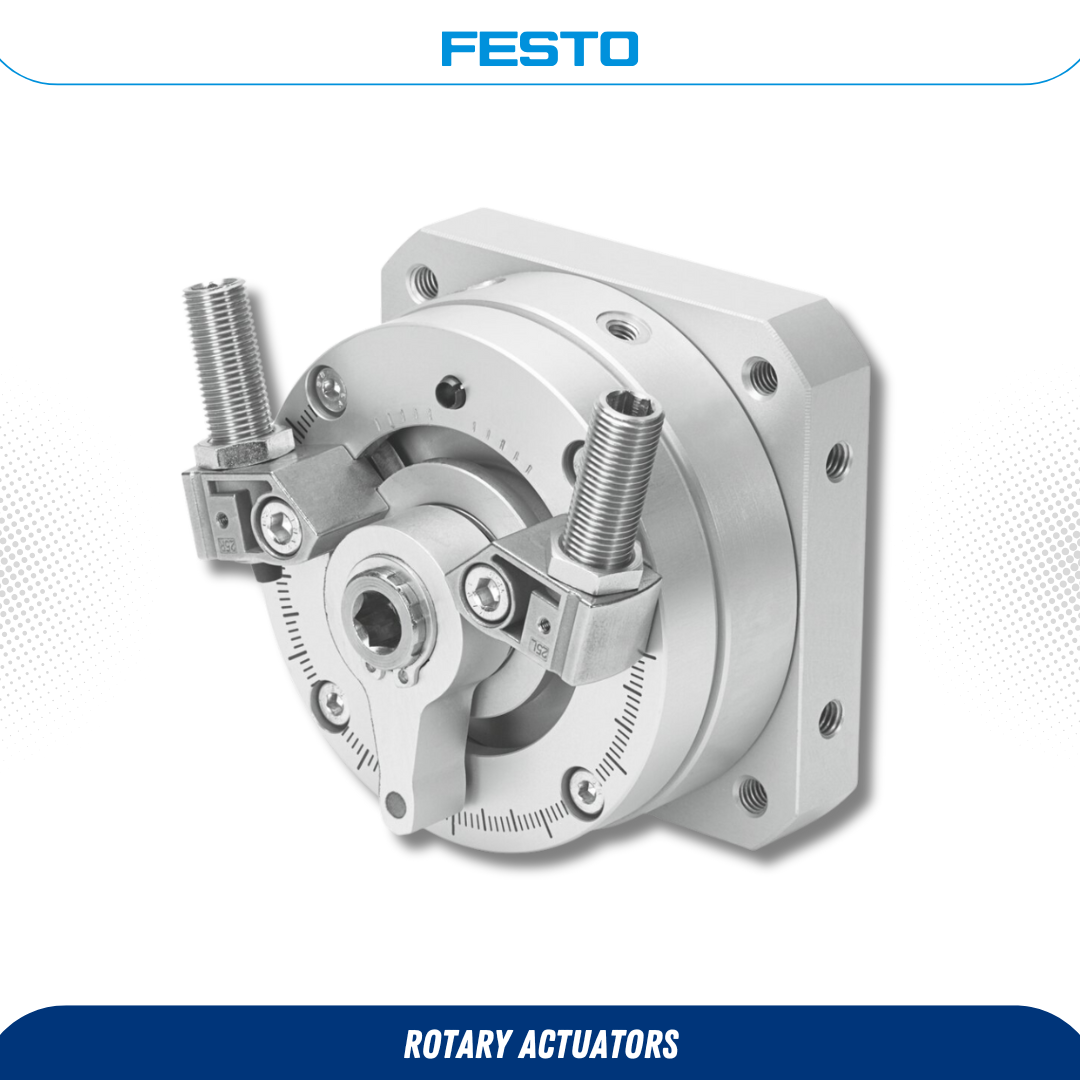
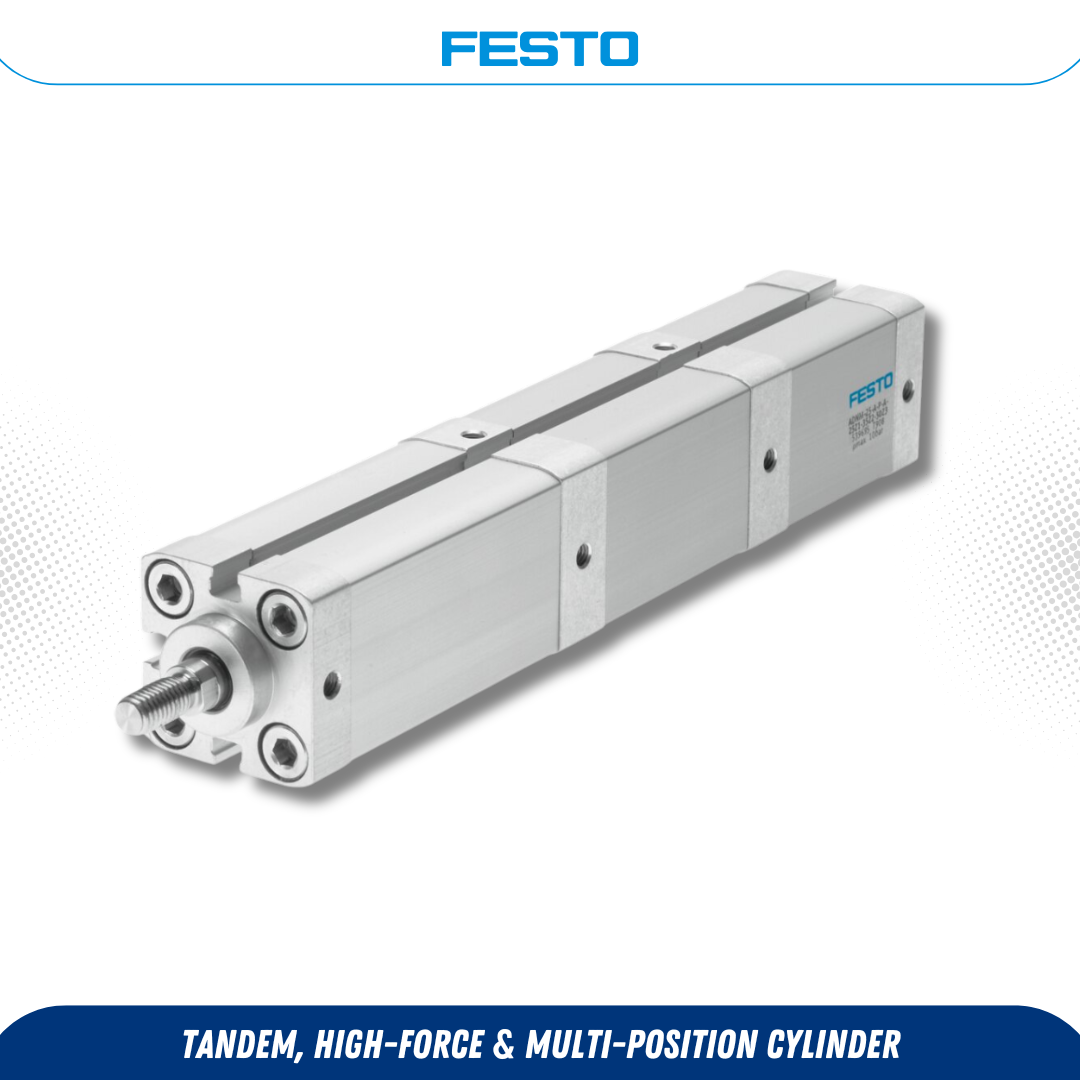
Festo tandem, high-force, and multi-position cylinders provi...
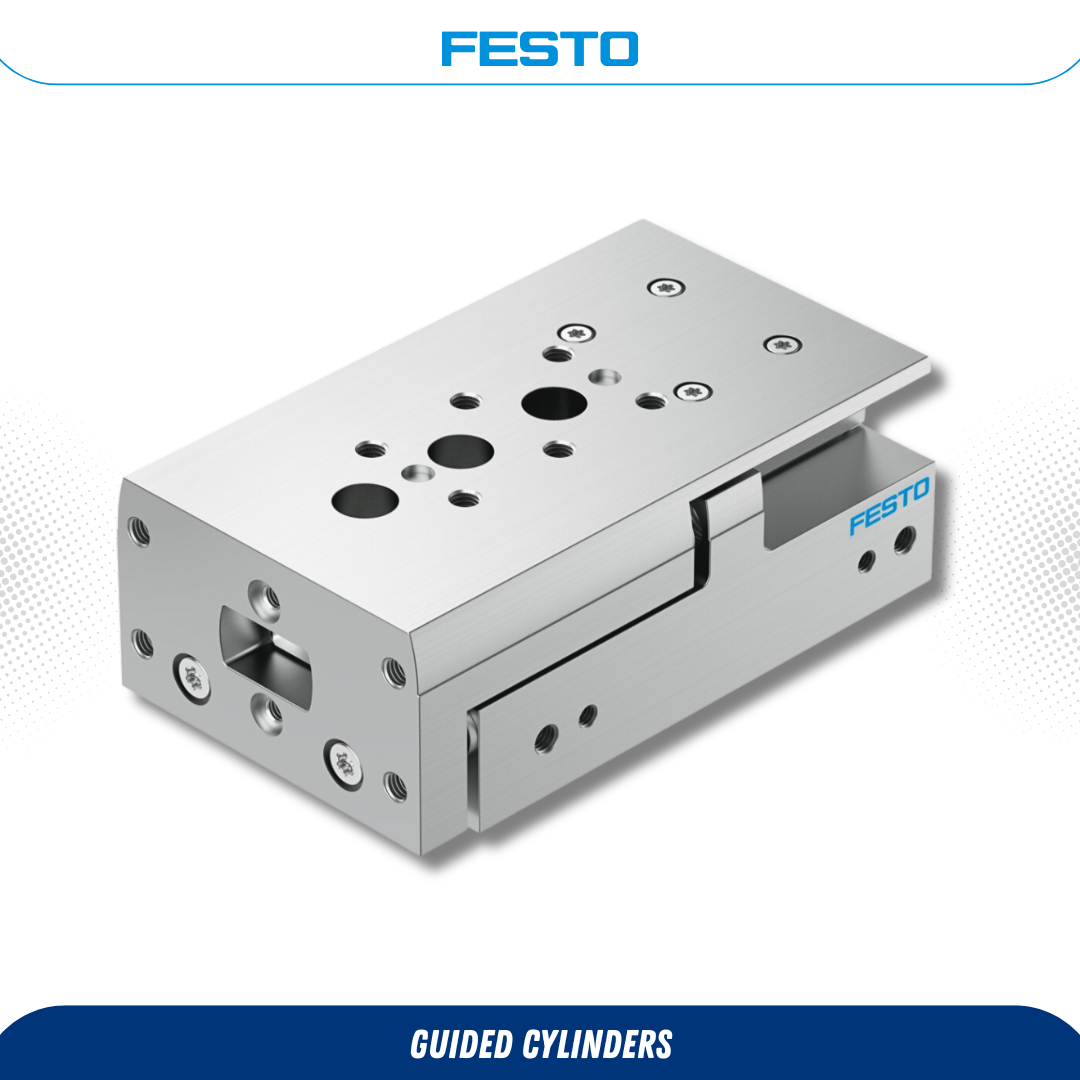
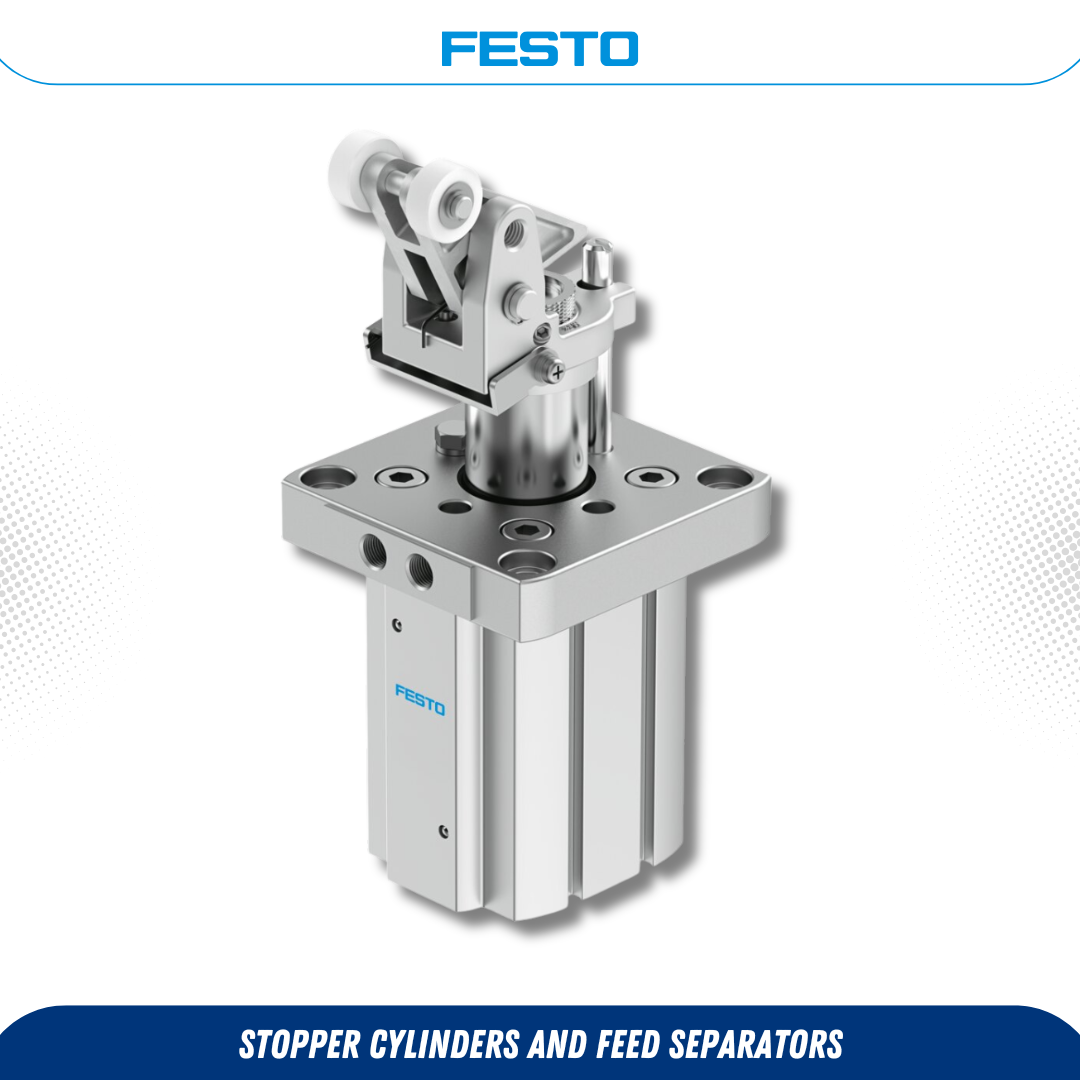
Festo Stopper Cylinders and Feed Separators are pneumatic un...
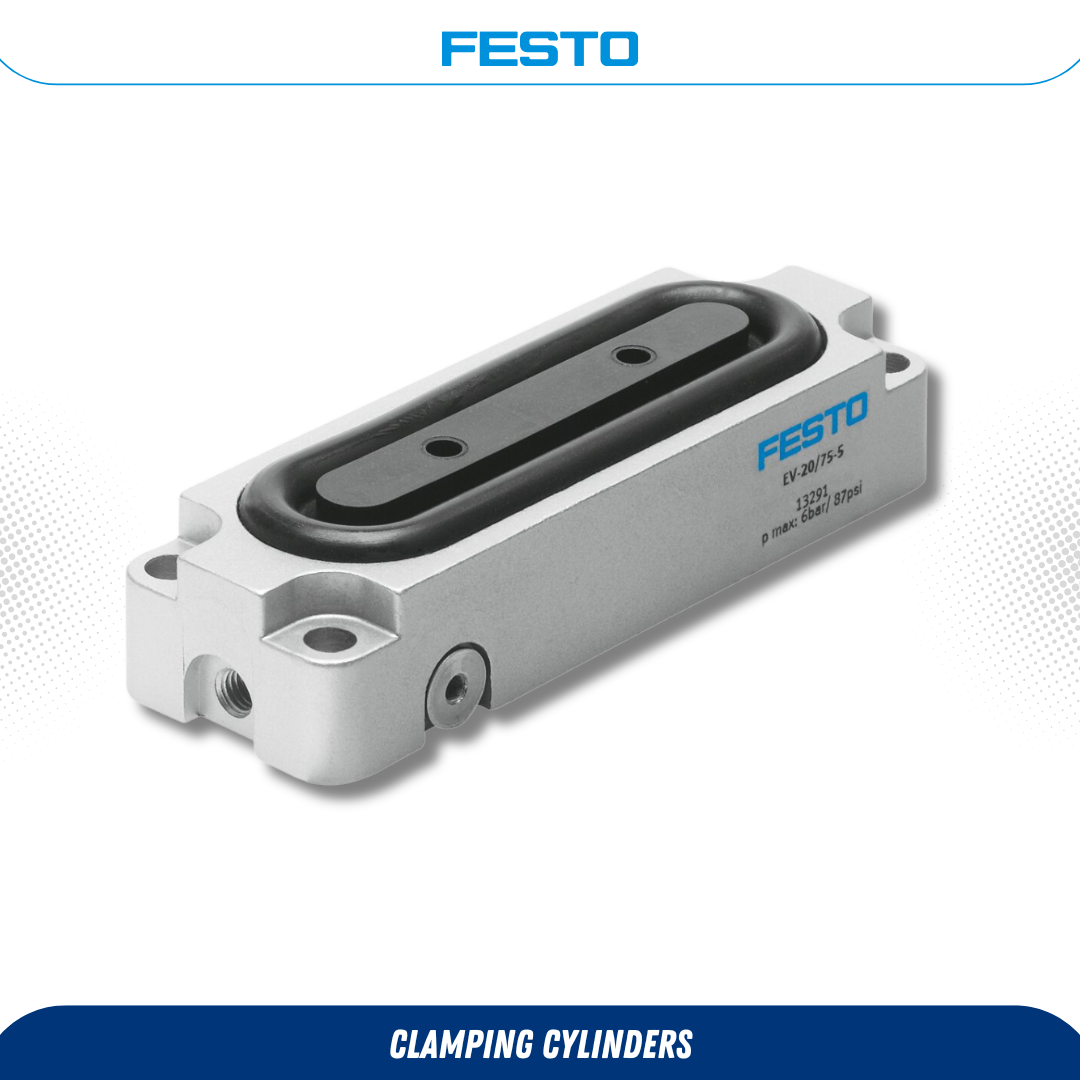
Festo Clamping Cylinders are specialized pneumatic actuators...
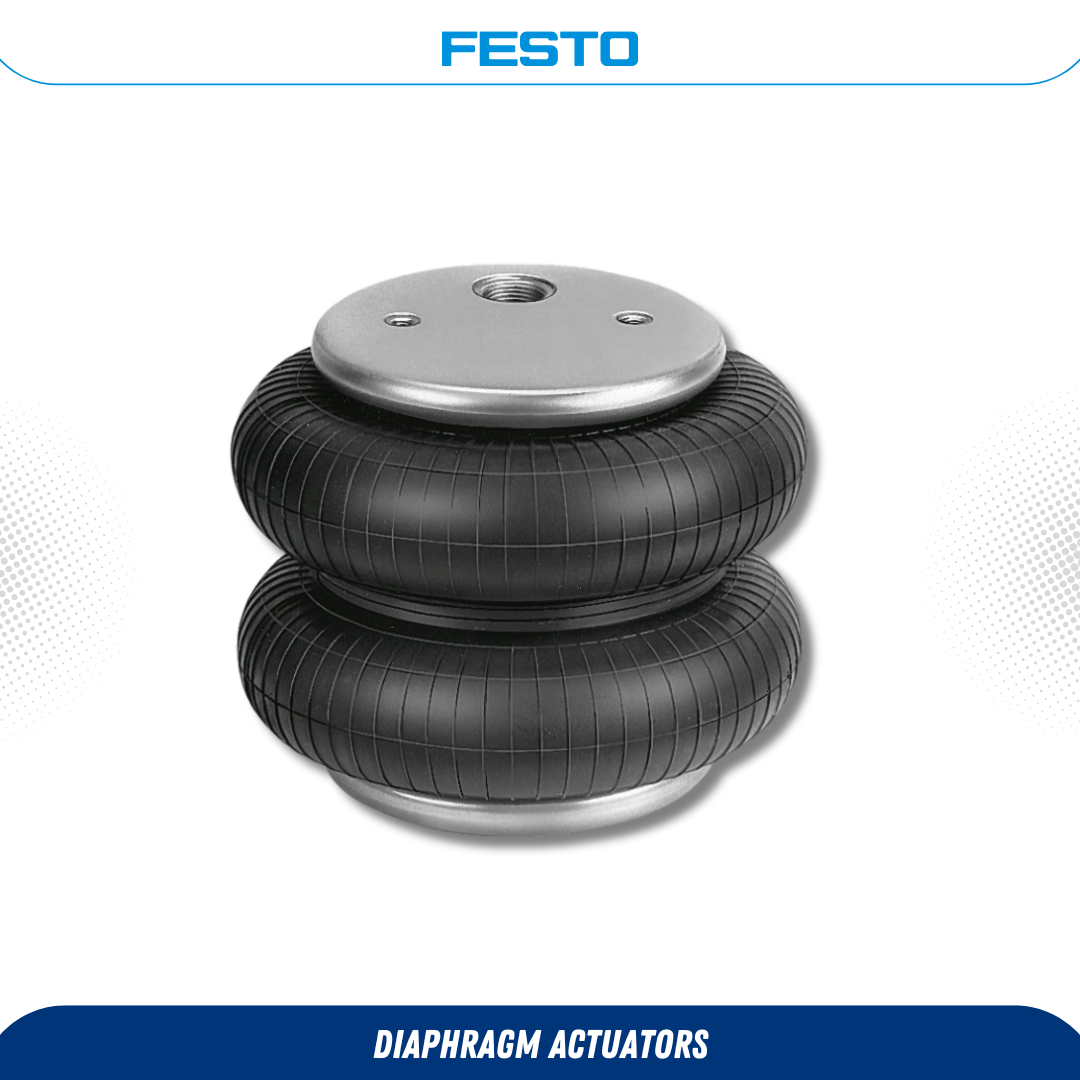
Festo Diaphragm Actuators are compact pneumatic drives desig...